
Anúncios
Joint pain doesn’t have to control your life—let’s explore practical, science-backed solutions that actually work for finding relief.

If you’ve ever woken up with stiff knees, struggled to open a jar because of your fingers, or felt that nagging ache in your hips after a long day, you’re definitely not alone. Joint pain affects millions of people worldwide, and honestly?
Anúncios
It’s one of those things that can really mess with your quality of life. But here’s the good news: there are tons of effective ways to manage and reduce joint discomfort, and I’m here to walk you through them in a way that actually makes sense.
Understanding Why Your Joints Are Screaming at You 🔍
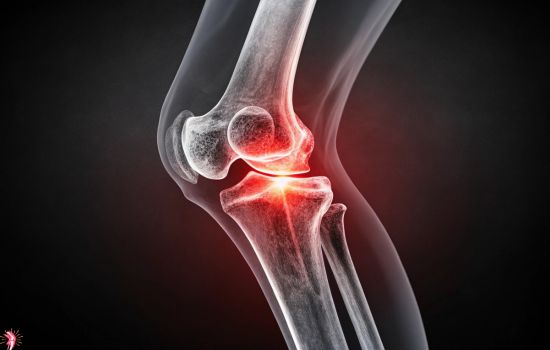
Before we dive into solutions, let’s talk about what’s actually happening when your joints hurt. Your joints are basically the connection points between bones, and they’re surrounded by cartilage, synovial fluid, ligaments, and tendons. When any of these components get inflamed, injured, or worn down, that’s when the pain party starts.
Anúncios


The most common culprits behind joint pain include osteoarthritis (wear and tear over time), rheumatoid arthritis (an autoimmune condition), injuries from sports or accidents, bursitis, gout, and even infections. Age plays a role too—our cartilage naturally breaks down as we get older, which is why grandparents are always complaining about their knees.
But here’s something interesting: younger people are experiencing joint issues more than ever before. Long hours sitting at desks, staring at phones with poor posture, and repetitive strain from activities like gaming or typing are creating joint problems in people who wouldn’t traditionally deal with them.
Movement Is Medicine (Even When It Hurts)
I know, I know—when your joints are aching, the last thing you want to do is move around. But trust me on this one: gentle, regular exercise is actually one of the best things you can do for joint pain. It sounds counterintuitive, but staying inactive can actually make things worse by causing stiffness and muscle weakness.
The key word here is “gentle.” We’re not talking about running marathons or doing intense CrossFit sessions. Low-impact exercises are your best friends when dealing with joint pain.
Best Exercises for Achy Joints
- Swimming and water aerobics: The water supports your body weight, taking pressure off your joints while still giving you a solid workout
- Walking: Simple, free, and effective. Start with just 10-15 minutes and gradually increase
- Cycling: Whether on a stationary bike or outdoors, cycling is easy on the knees and hips
- Yoga: Improves flexibility, strength, and balance while being super gentle on joints
- Tai Chi: This ancient practice is like meditation in motion and works wonders for joint health
The secret sauce? Consistency. It’s better to do 15 minutes of gentle movement every day than to go hard once a week and suffer for days afterward.
Anti-Inflammatory Foods That Actually Help 🥗
What you eat has a massive impact on inflammation in your body, and inflammation is often the root cause of joint pain. Switching up your diet might not be as sexy as taking a magic pill, but it’s honestly one of the most powerful tools in your arsenal.
Foods rich in omega-3 fatty acids are absolute champions for fighting inflammation. We’re talking fatty fish like salmon, mackerel, and sardines. If you’re not into fish, walnuts and flaxseeds are solid alternatives.
Colorful fruits and vegetables are loaded with antioxidants that combat inflammation. Berries, leafy greens, broccoli, and sweet potatoes should be regular guests on your plate. Spices like turmeric and ginger have natural anti-inflammatory properties—turmeric especially has been studied extensively and shows real promise for joint health.
Foods to Avoid
Just as important as what you should eat is what you should limit. Processed foods, excessive sugar, refined carbs, and trans fats can all increase inflammation. I’m not saying you can never have pizza or cookies again (life’s too short for that), but being mindful about reducing these foods can make a noticeable difference.
Hot and Cold Therapy: Simple but Effective
Sometimes the old-school methods are the best ones. Heat and cold therapy have been used for joint pain relief for centuries because they genuinely work.
Heat therapy is great for stiff joints and muscle tension. It increases blood flow to the area, which helps relax muscles and improve flexibility. Use a heating pad, take a warm bath, or try a hot shower in the morning to loosen up stiff joints. Just make sure it’s warm, not scorching hot—you want relief, not burns.
Cold therapy, on the other hand, is your go-to for acute pain and inflammation. Ice packs reduce swelling and numb sharp pain. This is especially helpful after physical activity or if you have a flare-up. The general rule is to apply cold for about 15-20 minutes at a time, several times a day.
Some people swear by alternating between hot and cold (contrast therapy), which can improve circulation and provide comprehensive relief.
Weight Management: The Uncomfortable Truth
Look, I’m not here to shame anyone about their weight—body positivity is real and important. But I’d be doing you a disservice if I didn’t mention that excess weight puts significant stress on weight-bearing joints like knees, hips, and ankles.
Here’s the thing: for every pound you lose, you remove about four pounds of pressure from your knees. That’s not me being dramatic—that’s actual biomechanics. If you’re dealing with joint pain and carrying extra weight, even losing just 5-10 pounds can make a noticeable difference in how your joints feel.
The best approach combines the dietary changes I mentioned earlier with gentle exercise. It’s not about crash diets or extreme workouts—it’s about sustainable changes that support both weight management and joint health.
Supplements Worth Considering 💊
The supplement industry is full of overhyped products that don’t deliver, but there are a few that have solid research backing them up for joint health.
Glucosamine and chondroitin are probably the most well-known joint supplements. They’re natural compounds found in cartilage, and some studies suggest they can help reduce pain and slow cartilage breakdown, especially in osteoarthritis. Results vary from person to person, but many people report real benefits.
Omega-3 supplements (fish oil) can help reduce inflammation throughout your body. If you’re not getting enough omega-3s from your diet, a quality supplement might be worth considering.
Turmeric/curcumin supplements have shown promise in reducing joint inflammation and pain. The active compound curcumin has been studied extensively, though it’s not easily absorbed by the body, so look for supplements with black pepper extract (piperine) which enhances absorption.
Vitamin D deficiency has been linked to increased joint pain, so getting your levels checked and supplementing if needed can be helpful. Collagen supplements are also gaining popularity, with some research suggesting they may support joint health.
Important note: Always chat with your healthcare provider before starting any new supplement, especially if you’re taking other medications.
Physical Therapy and Professional Help
Sometimes DIY solutions aren’t enough, and that’s totally okay. Physical therapists are basically joint pain wizards—they can assess your specific situation and create a personalized treatment plan.
A good PT will teach you exercises that target your problem areas, help correct movement patterns that might be contributing to your pain, and use techniques like manual therapy, ultrasound, or electrical stimulation to provide relief. They can also recommend assistive devices like braces or orthotics if needed.
Don’t sleep on other professionals either. Chiropractors, massage therapists, and acupuncturists can all offer valuable treatments for joint pain. What works is often individual, so finding the right approach might take some trial and error.
Pain Relief Medications: Know Your Options
When joint pain is interfering with your daily life, medications can provide much-needed relief. Over-the-counter options like acetaminophen (Tylenol) can help with mild to moderate pain, while NSAIDs like ibuprofen (Advil) or naproxen (Aleve) reduce both pain and inflammation.
For topical relief, creams and gels containing menthol, capsaicin, or NSAIDs can be applied directly to the painful joint. These can be great options if you want to avoid systemic medications or need additional relief.
For more severe cases, doctors might prescribe stronger medications, corticosteroid injections, or even disease-modifying drugs for conditions like rheumatoid arthritis. The key is working with your healthcare provider to find the right balance of effectiveness and side effects.
Tech and Apps to Track Your Progress 📱
We live in the age of technology, so why not use it to help manage joint pain? There are apps designed specifically to help you track symptoms, medication, exercise routines, and even food intake to identify triggers.
Some apps offer guided exercises specifically for people with joint issues, meditation and stress management tools (since stress can worsen pain), and reminders to move throughout the day if you’re sitting for long periods.
Wearable devices can track your activity levels and sleep quality, both of which impact joint health. While no app is a substitute for medical care, they can be valuable tools for managing your condition day-to-day.
Lifestyle Tweaks That Make a Difference
Beyond the big-ticket items, there are smaller lifestyle changes that can significantly impact joint pain.
Posture matters more than you think. Whether you’re sitting at a desk, looking at your phone, or sleeping, poor posture puts unnecessary stress on your joints. Invest in ergonomic furniture, adjust your workstation, and be conscious of how you’re holding your body throughout the day.
Sleep quality affects inflammation and pain perception. Aim for 7-9 hours of quality sleep, and make sure your mattress and pillows properly support your body. Some people with joint pain find relief by sleeping with a pillow between their knees or under their legs.
Stress management is crucial because chronic stress increases inflammation. Find what works for you—meditation, deep breathing, journaling, spending time in nature, or talking with a therapist. Your mental health and joint health are more connected than you might think.
When to See a Doctor (Like, Actually Go) 🏥
While many joint issues can be managed at home, some situations require professional medical attention. Don’t play tough guy or gal if you’re experiencing severe pain that doesn’t improve with rest and home treatment, joint pain accompanied by fever or unexplained weight loss, significant swelling, redness, or warmth around a joint, or if the pain is affecting your ability to do daily activities.
Also, if you’re experiencing symptoms like morning stiffness lasting more than an hour, joint pain that moves from one joint to another, or any sudden, intense joint pain, get it checked out. Early intervention for conditions like rheumatoid arthritis can make a huge difference in long-term outcomes.
Building Your Personal Pain Management Plan
Here’s the real talk: there’s no one-size-fits-all solution for joint pain. What works amazingly for your friend might do nothing for you, and that’s okay. The key is building a personalized approach that addresses your specific situation.
Start with the basics—gentle exercise, anti-inflammatory eating, and good sleep. Then layer in other strategies based on what works for you. Maybe that’s weekly swimming sessions and daily turmeric supplements. Maybe it’s physical therapy twice a week plus meditation. Or perhaps a combination of several approaches.
Keep a pain journal to track what helps and what doesn’t. Note when your pain is worse, what activities aggravate it, and what provides relief. This information is gold for both you and your healthcare providers in figuring out the best management strategy.
The journey to managing joint pain is exactly that—a journey, not a destination. Some days will be better than others, and that’s perfectly normal. Be patient with yourself, celebrate the small victories, and don’t hesitate to adjust your approach as needed.
Remember, living with joint pain doesn’t mean giving up on the activities you love or accepting a lower quality of life. With the right combination of treatments, lifestyle changes, and support, you can find significant relief and get back to doing the things that matter to you. Your joints might give you grief sometimes, but they don’t get to write your story. You’ve got this! 💪
