
Anúncios
Managing diabetes effectively can lead to remission, a state where blood sugar levels normalize without medication. This journey requires commitment, lifestyle changes, and a proactive approach to health.


The term “ex-diabetic” refers to individuals who have achieved diabetes remission, particularly those with Type 2 diabetes. While the condition may remain dormant, proper management can restore metabolic health and eliminate the need for medication. This transformation isn’t just about reducing symptoms—it’s about reclaiming control over your body and future.
Anúncios
The path to becoming an ex-diabetic involves strategic steps that address diet, exercise, stress management, and medical supervision. Each element works synergistically to reverse insulin resistance and restore your body’s natural glucose regulation. Let’s explore the twelve essential steps that can guide you toward diabetes remission and a healthier life. 🌟
🥗 Step 1: Adopt a Low-Carbohydrate, Whole-Food Diet
The foundation of diabetes reversal lies in dietary transformation. Reducing carbohydrate intake directly impacts blood sugar levels, as carbs convert to glucose during digestion. Focus on eliminating refined sugars, white bread, pasta, and processed foods that spike insulin production.
Anúncios
Replace these with nutrient-dense whole foods including leafy greens, cruciferous vegetables, healthy fats like avocados and olive oil, and quality proteins such as fish, eggs, and lean meats. Studies show that low-carb diets can reduce HbA1c levels significantly within months.
Prioritize fiber-rich vegetables that slow glucose absorption and promote satiety. Consider tracking your daily carbohydrate intake, aiming for under 100 grams initially, then adjusting based on your blood sugar response and medical guidance.
💪 Step 2: Implement Regular Strength Training
Building muscle mass dramatically improves insulin sensitivity. Muscle tissue acts as a glucose reservoir, absorbing sugar from the bloodstream even without insulin stimulation. Resistance training two to three times weekly can transform your metabolic profile.
Focus on compound movements like squats, deadlifts, push-ups, and rows that engage multiple muscle groups simultaneously. These exercises create greater metabolic demand and increase calorie expenditure both during and after workouts.
Start with bodyweight exercises if you’re new to training, gradually progressing to weighted movements. The goal isn’t becoming a bodybuilder—it’s building functional strength that enhances glucose metabolism and overall health.
🚶♀️ Step 3: Walk Daily After Meals
A simple yet powerful habit involves taking a 15-20 minute walk after each major meal. This practice helps muscles absorb glucose without requiring additional insulin, preventing post-meal blood sugar spikes.
Research demonstrates that post-meal walking can reduce blood glucose levels by 20-30% compared to remaining sedentary. The timing matters—walking within 30 minutes of eating provides maximum benefit.
Make this non-negotiable. Whether it’s around your neighborhood, office building, or even inside your home, consistent movement after eating becomes a cornerstone of blood sugar management.
😴 Step 4: Prioritize Quality Sleep
Sleep deprivation disrupts hormonal balance, increasing cortisol and ghrelin while decreasing leptin and insulin sensitivity. Aim for seven to nine hours of quality sleep nightly to support metabolic health.
Establish a consistent sleep schedule, going to bed and waking at similar times daily. Create a dark, cool sleeping environment and eliminate screens at least one hour before bedtime to support natural melatonin production.
Poor sleep can undermine even the best dietary and exercise efforts. Treating sleep as a pillar of health—not a luxury—accelerates your journey toward diabetes remission.
🧘♂️ Step 5: Master Stress Management Techniques
Chronic stress elevates cortisol, which triggers glucose release into the bloodstream and promotes insulin resistance. Managing stress isn’t optional—it’s essential for metabolic healing.
Incorporate daily stress-reduction practices such as meditation, deep breathing exercises, yoga, or progressive muscle relaxation. Even five minutes of focused breathing can lower cortisol levels and improve insulin sensitivity.
Identify your primary stress triggers and develop coping strategies. Whether through therapy, journaling, nature walks, or creative pursuits, find sustainable methods that bring you genuine calm and balance.

⏰ Step 6: Practice Time-Restricted Eating
Intermittent fasting or time-restricted eating extends the period between meals, allowing insulin levels to drop and promoting fat burning. A common approach involves eating within an 8-10 hour window daily.
For example, if you finish dinner by 7 PM, you wouldn’t eat again until 9-11 AM the following day. This fasting period gives your pancreas a rest and improves insulin sensitivity over time.
Start gradually if this concept is new. Begin with a 12-hour fasting window and slowly extend it as your body adapts. Always consult your healthcare provider before implementing fasting, especially if you’re taking diabetes medications.
🩺 Step 7: Monitor Blood Glucose Consistently
Knowledge is power in diabetes management. Regular blood glucose monitoring provides real-time feedback about how specific foods, activities, and lifestyle choices affect your levels.
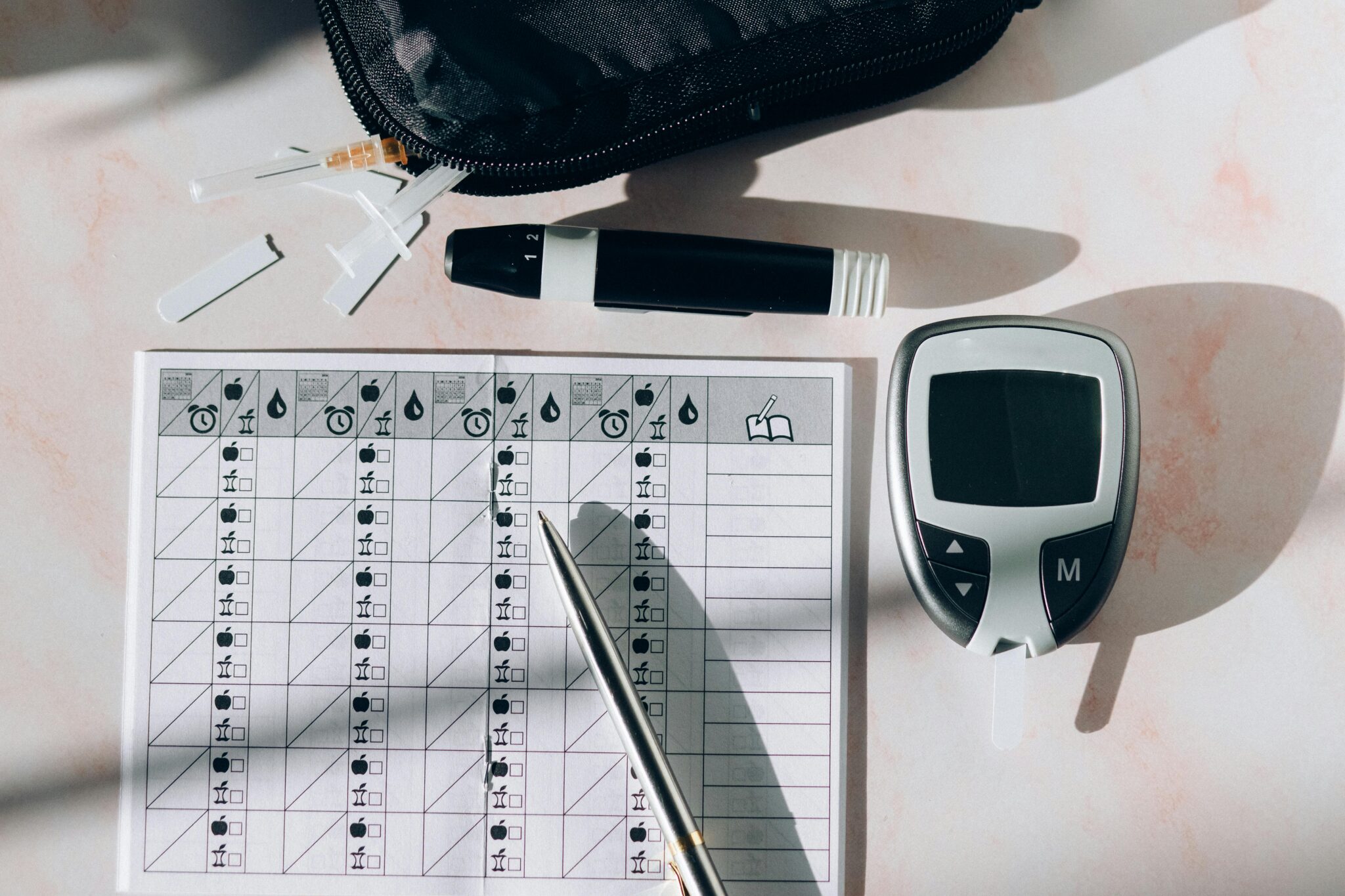
Test your blood sugar upon waking (fasting), before meals, and two hours after eating to understand your patterns. Keep a detailed log correlating readings with what you ate, your activity level, stress, and sleep quality.
This data empowers you to make informed adjustments. You’ll discover which foods spike your glucose and which keep you stable, allowing for personalized optimization of your diet and habits.
💊 Step 8: Work Closely With Your Healthcare Team
Attempting diabetes reversal without medical supervision can be dangerous, especially if you’re taking medications. As your lifestyle improvements take effect, your medication needs will change—sometimes rapidly.
Schedule regular appointments with your doctor or endocrinologist to review your progress. They can adjust medications appropriately, order necessary lab work, and ensure you’re reversing diabetes safely.
Be honest about your symptoms, challenges, and goals. A supportive healthcare team becomes your partner in this journey, providing expertise, encouragement, and accountability throughout the process.
🚫 Step 9: Eliminate Liquid Calories and Sweetened Beverages
Sodas, fruit juices, sweetened coffee drinks, and energy beverages deliver massive glucose loads without satiety. These liquid sugars spike blood glucose rapidly and contribute significantly to insulin resistance.
Replace these with water, unsweetened tea, black coffee, or sparkling water with lemon. If you crave flavor, try herbal teas or infuse water with cucumber, mint, or berries.
This single change can reduce daily sugar intake by 200-500 calories while dramatically improving blood sugar control. The impact on your metabolic health will be noticeable within weeks.
🥑 Step 10: Increase Healthy Fat Intake
Contrary to outdated dietary advice, healthy fats don’t cause diabetes—they can help reverse it. Fats provide satiety, stabilize blood sugar, and don’t trigger insulin release like carbohydrates do.
Incorporate olive oil, avocados, nuts, seeds, fatty fish like salmon and mackerel, and coconut oil into your daily meals. These fats support cellular health, reduce inflammation, and improve cholesterol profiles.
Don’t fear fat—fear the combination of high carbohydrates with high fat, which creates metabolic chaos. When carbs are reduced, healthy fats become your primary energy source, supporting sustained energy and metabolic healing.
📚 Step 11: Educate Yourself Continuously
Understanding the science behind diabetes empowers you to make better decisions. Read books, follow credible health experts, watch educational videos, and stay current with diabetes research.
Learn about insulin resistance, inflammation, hormonal balance, and metabolic syndrome. Understanding how your body processes food transforms you from a passive patient to an active participant in your health.
Join support groups or online communities where others share their reversal journeys. Learning from people who’ve successfully achieved remission provides motivation, practical tips, and proof that transformation is possible.
🎯 Step 12: Set Realistic Goals and Celebrate Progress
Diabetes reversal doesn’t happen overnight. Setting achievable milestones keeps you motivated and prevents discouragement. Focus on non-scale victories like improved energy, better sleep, reduced medication, and stable blood sugar readings.
Celebrate each accomplishment, whether it’s a week of consistent post-meal walks, your first normal fasting glucose reading, or fitting into clothes that were previously tight. These victories accumulate into major transformation.
Track your progress through photos, journal entries, lab results, and how you feel physically and emotionally. On difficult days, reviewing how far you’ve come reignites commitment and reminds you why this journey matters.
🌈 Understanding Diabetes Remission vs. Cure
It’s important to understand that diabetes remission differs from a cure. Remission means your blood sugar levels remain in the normal range without medication, but the underlying predisposition remains. Returning to previous unhealthy habits can reactivate the condition.
Think of diabetes remission as managing a chronic condition so effectively that it becomes dormant. This requires ongoing commitment to the lifestyle changes that created remission in the first place.
However, this reality shouldn’t discourage you. Many people maintain remission for years or permanently by sustaining healthy habits. The quality of life improvement makes the effort worthwhile, regardless of terminology.
🔬 The Science Behind Metabolic Healing
Insulin resistance—the root cause of Type 2 diabetes—develops when cells become desensitized to insulin due to chronic overexposure. High carbohydrate diets require constant insulin secretion, eventually overwhelming the system.
By reducing carbohydrate intake and increasing physical activity, you decrease insulin demand. Over time, cells regain sensitivity to insulin, allowing normal glucose regulation to resume. Fat loss, particularly visceral fat around organs, accelerates this process.
The pancreas, given relief from constant stimulation, can repair and restore normal function. This biological healing explains why many people achieve remission through lifestyle intervention alone, without pharmaceutical intervention beyond the initial transition period.
🍽️ Sample Daily Eating Pattern
A typical day on a diabetes-reversal eating plan might include:
- Morning: Three-egg omelet with spinach, mushrooms, and avocado, cooked in olive oil
- Midday: Large salad with mixed greens, grilled chicken, olive oil dressing, nuts, and non-starchy vegetables
- Evening: Baked salmon with roasted broccoli and cauliflower, side of sautéed kale with garlic
- Snacks (if needed): Handful of almonds, celery with almond butter, or cheese with cucumber slices
Notice the absence of bread, pasta, rice, potatoes, and sugary foods. This pattern maintains steady blood sugar throughout the day while providing complete nutrition and genuine satisfaction.
💡 Common Challenges and Solutions
The path to becoming an ex-diabetic presents obstacles. Social situations involving food, cravings for familiar comfort foods, and initial fatigue during metabolic adaptation can test your resolve.
Prepare for social events by eating beforehand, bringing your own dishes, or focusing on approved options like vegetables and proteins. When cravings strike, wait 20 minutes while drinking water or going for a walk—most cravings pass.
Initial fatigue during the first weeks reflects your body transitioning from sugar-burning to fat-burning. This “keto flu” resolves quickly with adequate hydration, electrolytes, and patience. Push through—the energy surge that follows is remarkable.
🏆 Long-Term Maintenance Strategies
Achieving remission is one thing; maintaining it requires sustained commitment. The lifestyle changes that reversed your diabetes must become permanent habits, not temporary interventions.
Build systems that make healthy choices automatic. Meal prep on weekends, establish exercise routines that fit your schedule, and create an environment that supports your goals by removing temptations from your home.
Continue monitoring your blood glucose periodically even after achieving remission. Annual lab work including HbA1c, fasting insulin, and comprehensive metabolic panels ensures you’re maintaining metabolic health.
✨ The Psychological Transformation
Beyond physical changes, reversing diabetes creates profound psychological shifts. You develop confidence from proving you can change, resilience from overcoming challenges, and self-respect from prioritizing your health.
This empowerment often extends beyond diabetes management, improving other life areas. People report better relationships, career success, and overall life satisfaction after taking control of their health.
The journey teaches that you’re not a victim of genetics or circumstances—you’re an active creator of your health destiny. This mindset shift may be the most valuable outcome of all.
🌟 Your New Beginning Awaits
Becoming an ex-diabetic represents one of the most significant achievements possible—reclaiming your health through dedication, knowledge, and consistent action. While the journey requires effort, the rewards extend far beyond blood sugar numbers.
You’ll gain energy, mental clarity, confidence, and years of quality life. You’ll reduce your risk of heart disease, kidney failure, vision loss, and other diabetes complications that diminish both lifespan and healthspan.
Start today with one step. Choose the change that feels most manageable—perhaps eliminating sugary drinks or taking a post-dinner walk. Build momentum gradually, celebrating each victory along the way.
Remember that thousands have walked this path before you and succeeded. Their accomplishment proves that diabetes remission isn’t reserved for the lucky few—it’s available to anyone willing to commit to the process. Your transformation story begins now, and the person you’ll become through this journey will inspire others facing similar challenges. The power to change your health trajectory lives within you, waiting to be unleashed through consistent, purposeful action. 🚀
