
Anúncios
Learning to play the accordion opens up a world of musical expression, cultural richness, and personal achievement that few instruments can match.


The accordion is a unique instrument that combines melody, harmony, and rhythm in one portable package. Whether you’re drawn to folk music, classical compositions, jazz improvisation, or contemporary styles, the accordion offers versatility that adapts to nearly every musical genre. Its distinctive sound evokes nostalgia, celebration, and emotion in ways that captivate both players and listeners.
Anúncios
Starting your accordion journey might seem intimidating at first, but with the right approach, dedication, and resources, anyone can master this beautiful instrument. From understanding its mechanics to developing proper technique and building a repertoire, this comprehensive guide will walk you through everything you need to know about learning to play the accordion. 🎵
Understanding the Accordion: Types and Mechanics
Before diving into lessons, it’s essential to understand what type of accordion suits your musical goals. The instrument comes in several varieties, each with distinct characteristics and applications.
Anúncios
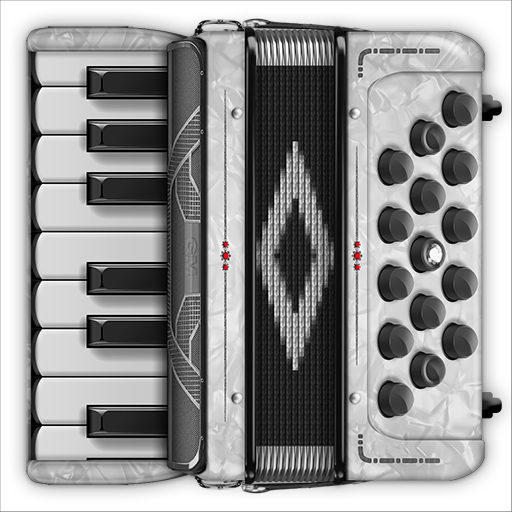
The piano accordion features a keyboard similar to a piano on the right side, making it intuitive for those with piano experience. This is the most popular type in Western music and offers excellent versatility across genres. The button accordion, also known as a chromatic button accordion, uses buttons instead of keys and is favored in folk traditions across Europe and Latin America.
Another important distinction is between diatonic and chromatic accordions. Diatonic accordions produce different notes when pushing versus pulling the bellows, making them ideal for traditional folk music. Chromatic accordions play the same note regardless of bellows direction, offering more flexibility for complex musical pieces.
The accordion’s sound is produced by metal reeds that vibrate as air passes over them. The bellows act as the instrument’s lungs, and mastering bellows control is fundamental to producing beautiful, expressive music. Understanding this mechanism helps you appreciate the relationship between air pressure, bellows movement, and sound quality.
Getting Started: Choosing Your First Accordion 🪗
Selecting the right accordion is crucial for a positive learning experience. Beginners often make the mistake of purchasing instruments that are either too complex or of poor quality, which can hinder progress and diminish enthusiasm.
For absolute beginners, a 48-bass piano accordion offers an excellent starting point. This size provides enough range to play most beginner and intermediate pieces without being overwhelming. The 48-bass system gives you sufficient chord options while keeping the left-hand button layout manageable.
When shopping for an accordion, consider these factors:
- Weight: Accordions can be heavy. Try different models to find one you can comfortably hold for extended practice sessions.
- Condition: If buying used, inspect the bellows for air leaks, check all keys and buttons for responsiveness, and ensure the reeds sound clear.
- Tuning: Make sure the instrument is properly tuned or budget for tuning services.
- Brand reputation: Established manufacturers like Hohner, Roland, and Scandalli offer reliable quality.
Don’t hesitate to rent an accordion initially. Many music stores offer rental programs that allow you to try the instrument before committing to a purchase. This approach lets you explore whether accordion playing truly resonates with you.
Essential Techniques Every Beginner Should Master
Proper technique from the beginning prevents bad habits that are difficult to correct later. The accordion requires coordination between both hands, bellows control, and body positioning—all working in harmony.
Posture and positioning form the foundation of good accordion playing. Sit upright with your feet flat on the floor, the accordion resting comfortably on your left thigh. Adjust the shoulder straps so the instrument sits securely without requiring you to hold it with your arms. Your back should remain straight but relaxed, allowing for natural bellows movement.
The right hand operates the keyboard or buttons for melody. Keep your fingers curved, using fingertips to press the keys. Avoid flat fingers or excessive tension. Start by practicing scales slowly, focusing on even tone production and smooth finger transitions. The thumb should rest lightly on the keyboard edge when not playing.
The left hand controls bass notes and chord buttons. This takes time to master since you’re playing by feel rather than sight. Begin by memorizing the location of the fundamental bass row and major chord row. Practice finding these positions without looking, developing muscle memory through repetition.
Bellows technique is what truly brings the accordion to life. Smooth, controlled bellows movements create even tone and dynamic expression. Practice opening and closing the bellows at various speeds while maintaining consistent pressure. Learn to change bellows direction seamlessly during phrases, a skill called bellows changes or bellows reversal.
Building Your Practice Routine for Maximum Progress 📅
Consistent, structured practice is the key to accordion mastery. Quality matters more than quantity—thirty minutes of focused daily practice yields better results than sporadic marathon sessions.
Structure your practice sessions into distinct segments. Begin with a warm-up period (5-10 minutes) playing scales, arpeggios, or simple exercises to prepare your fingers and establish coordination. This gets your muscle memory engaged and your mind focused.
Dedicate the core of your practice (15-20 minutes) to learning new material. Work on new songs, challenging passages, or technique development. Break difficult sections into smaller parts, practicing slowly and gradually increasing tempo only when you can play accurately.
Spend time (10-15 minutes) on review and refinement, returning to pieces you’ve learned previously. This reinforces skills and ensures your repertoire remains performance-ready. Focus on expression, dynamics, and musical interpretation during this phase.
Keep a practice journal to track your progress, noting what you worked on, challenges encountered, and breakthroughs achieved. This documentation helps you identify patterns, celebrate improvements, and maintain motivation during plateaus.
Reading Accordion Music: Understanding the Notation
Accordion music uses standard musical notation with some unique elements that reflect the instrument’s dual-hand operation and bass-chord system.
The right-hand melody is written on the treble clef, exactly like piano music. If you can read piano notation, this aspect will be familiar. Numbers above notes often indicate suggested fingerings, helping you develop efficient hand positions.
The left-hand accompaniment appears on the bass clef, but uses a specialized notation system. Letters or symbols represent specific bass notes and chord buttons. Common notations include capital letters for bass notes (C, G, F) and lowercase or specific symbols for chord types (major, minor, seventh, diminished).
Learning the Stradella bass system, the standard left-hand layout on most accordions, takes patience. This system arranges bass notes and chords in a logical pattern based on the circle of fifths. Once you understand this layout, finding any chord becomes intuitive.
Practice reading both clefs simultaneously, starting with simple pieces that feature basic left-hand patterns. Gradually increase complexity as your reading fluency improves. Consider using accordion-specific method books that introduce notation progressively.
Learning Resources: From Teachers to Technology 💻
The modern accordion student has access to more learning resources than ever before, from traditional instruction to digital innovations.
Private lessons with a qualified accordion teacher offer personalized guidance, immediate feedback, and structured curriculum tailored to your pace. A good teacher corrects technical errors early, suggests appropriate repertoire, and keeps you motivated through challenges. Search for accordion teachers through music schools, accordion clubs, or online directories.
Online tutorials and courses provide flexibility for those without access to local teachers. Platforms like YouTube host thousands of free accordion lessons covering everything from absolute basics to advanced techniques. Structured online courses offer systematic progression similar to private lessons.
Accordion apps and software serve as practice companions, offering virtual instruments for experimentation, metronomes for tempo practice, and even interactive lessons. These technological tools complement traditional learning methods, making practice more engaging and diverse.
Method books remain valuable resources. Classic accordion methods by Palmer-Hughes, Anzaghi, or modern publications provide structured lessons, exercises, and repertoire. Supplementing lessons with quality method books accelerates learning and provides reference material.
Joining accordion communities—local clubs, online forums, or social media groups—connects you with fellow enthusiasts who share tips, encouragement, and performance opportunities. These communities remind you that you’re part of a vibrant global accordion culture.
Common Challenges and How to Overcome Them 🎯
Every accordion student encounters obstacles during their learning journey. Recognizing these challenges and having strategies to address them prevents frustration and maintains progress.
Left-hand coordination puzzles most beginners. The inability to see what you’re doing requires developing tactile awareness. Solve this by practicing left-hand patterns in isolation, away from the right hand. Use guide dots or tactile markers on key buttons until muscle memory develops.
Bellows control often feels unnatural initially. Jerky movements or inconsistent air pressure create uneven tone. Practice bellows exercises daily—long, slow draws and compressions focusing on smoothness. Record yourself to identify irregularities you might not notice while playing.
Physical fatigue from the instrument’s weight is common. Build endurance gradually, never practicing through pain. Strengthen supporting muscles through regular practice sessions, and ensure your shoulder straps are properly adjusted to distribute weight evenly.
Reading bass notation simultaneously with treble clef overwhelms some students. Simplify by practicing hands separately until each is secure, then combine them slowly. Use pieces with repetitive left-hand patterns to build confidence before tackling complex bass lines.
Motivation plateaus occur when progress seems to stall. Combat this by setting small, achievable goals, learning music you genuinely enjoy, and recording yourself periodically to hear improvements that feel invisible day-to-day.
Expanding Your Musical Repertoire and Styles 🎼
The accordion’s versatility allows you to explore an incredible range of musical styles, each offering unique learning opportunities and expressive possibilities.
Folk music represents the accordion’s traditional home. Explore Irish reels, French musette, German polkas, Italian tarantellas, or Eastern European klezmer. These styles often feature dance rhythms that make practicing enjoyable and connect you to cultural traditions.
Classical music for accordion has grown significantly, with composers creating sophisticated works specifically for the instrument. Bach transcriptions sound magnificent on accordion, and contemporary classical accordion music showcases its artistic potential beyond folk applications.
Jazz and swing highlight the accordion’s rhythmic and harmonic capabilities. Learning jazz standards develops improvisation skills and chord theory understanding. The accordion was integral to early jazz, and modern players continue this tradition.
Popular and contemporary music proves the accordion’s modern relevance. From rock bands to indie artists, the accordion adds unique texture to contemporary arrangements. Learning popular songs makes your playing relatable and enjoyable for diverse audiences.
Don’t limit yourself to one genre. Cross-pollinating styles improves overall musicianship and keeps learning fresh. A folk player benefits from classical technique study, while classical players gain rhythmic vitality from folk traditions.
Performance Tips: Sharing Your Music with Others 🎭
Eventually, you’ll want to share your accordion playing beyond personal practice. Performance, whether for family, at open mics, or in formal settings, represents an important aspect of musical growth.
Start with informal performances for supportive audiences—family gatherings, friends, or small community events. These low-pressure situations build confidence and help you become comfortable playing while others listen.
Prepare thoroughly by practicing your performance pieces beyond technical proficiency. Play through your entire set multiple times, simulating performance conditions. Practice recovering from mistakes gracefully, continuing without stopping.
Managing performance anxiety affects most musicians. Deep breathing exercises before performing calm nerves. Visualize successful performances during practice. Remember that audiences want you to succeed and will forgive minor errors.
Consider your presentation—not just musical, but visual. Dress appropriately for the venue, maintain good posture, and engage with your audience between pieces. Brief introductions to songs create connection and give you moments to breathe.
Record your performances when possible. Reviewing recordings provides objective feedback about what’s working and what needs improvement. It also creates documentation of your progress and memories of your musical journey.
Maintaining Your Accordion: Care and Longevity
Proper maintenance ensures your accordion remains playable and sounds beautiful for decades. These instruments are intricate machines requiring respectful care.
Regular cleaning keeps your accordion looking and functioning well. Wipe the exterior with a soft, slightly damp cloth after playing to remove fingerprints and dust. Clean the keyboard or buttons with appropriate cleaners designed for instruments.
Storage conditions significantly impact accordion health. Store in a climate-controlled environment away from temperature extremes and humidity fluctuations. Keep the accordion in its case when not in use, protecting it from dust and accidental damage.
Professional servicing should occur every few years, or when you notice issues. Technicians check for air leaks, clean reeds, adjust valves, and ensure all mechanisms function smoothly. Investing in professional maintenance prevents small problems from becoming expensive repairs.
Be aware of warning signs requiring immediate attention: significant air leaks (bellows won’t hold closed), stuck keys or buttons, reeds that don’t sound, or unusual noises. Address these promptly to prevent further damage.
Handle your accordion carefully during transport. Use a quality hard case, secure it during travel, and never leave it in vehicles where temperature fluctuations can damage the delicate reeds and wax mountings.

The Lifelong Journey of Accordion Mastery ✨
Learning accordion isn’t a destination but a continuous journey of musical discovery. Even advanced players constantly refine technique, explore new repertoire, and deepen their musical understanding.
Set both short-term and long-term goals. Short-term goals might include mastering a specific piece or technique, while long-term goals could involve performing publicly or achieving a certain skill level. These objectives provide direction and motivation.
Remain curious and open to learning. Attend accordion workshops and festivals, watch performances by master accordionists, and study music theory to understand what you’re playing at deeper levels. Every new piece of knowledge enriches your playing.
Remember that progress isn’t always linear. You’ll experience rapid improvement periods and frustrating plateaus. Both are normal parts of skill development. Persistence through challenges builds not just musical ability but character and discipline.
Consider eventually teaching what you’ve learned. Sharing knowledge with newer players reinforces your own understanding and contributes to the accordion community’s vitality. Teaching often reveals aspects of playing you hadn’t consciously considered.
Most importantly, maintain the joy that drew you to the accordion initially. Music should enhance life, provide creative expression, and connect you with others. When practice feels burdensome, return to playing purely for pleasure—the pieces that make your heart sing and remind you why you started this beautiful journey.
The accordion offers a lifetime of musical rewards. From the first tentative notes to the confidence of seasoned performance, every step forward brings satisfaction. Embrace the process, celebrate progress, and enjoy the unique voice this remarkable instrument adds to the world’s musical tapestry. Your accordion journey begins with a single note, but where it leads is limited only by your imagination and dedication. 🎶
