
Anúncios
Modern fishing technology has revolutionized how anglers locate fish, and now this power fits right in your pocket with smartphone-based fish finders.


Gone are the days when fish finders were bulky, expensive devices mounted permanently on boats. Today’s smartphone-compatible sonars deliver professional-grade underwater imaging through compact, portable devices that connect wirelessly to your mobile phone. Whether you’re fishing from a kayak, shoreline, or boat, these innovative tools have democratized access to advanced fishing technology.
Anúncios
The integration of sonar technology with smartphones represents a significant leap forward in recreational and sport fishing. These systems combine the power of sophisticated underwater scanning with intuitive mobile apps, creating an experience that’s both powerful and user-friendly. Let’s explore how this technology works and why it’s changing the fishing game for anglers worldwide. 🎣
Understanding Smartphone Sonar Technology
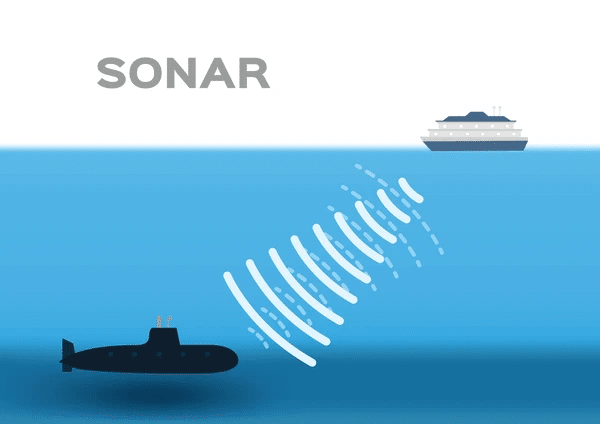
Smartphone fish finders operate using the same fundamental principles as traditional sonar systems, but they’ve been reimagined for mobile connectivity. A physical sonar device, often shaped like a small ball or puck, casts into the water or attaches to your fishing line. This device emits sound waves that travel through the water, bouncing off objects, fish, and the bottom structure.
Anúncios
When these sound waves return to the sensor, the device processes the information and transmits it wirelessly via Bluetooth or Wi-Fi to your smartphone. The accompanying app then translates this data into visual representations showing water depth, bottom contours, vegetation, and most importantly—fish locations and sizes.
Key Components of a Mobile Sonar System
Every smartphone sonar setup includes several essential elements working together. The physical sonar transducer serves as the eyes beneath the surface, while your smartphone becomes the display and control center. The connection between these components happens through dedicated applications designed specifically for each sonar model.
Most systems feature rechargeable batteries that last several hours of continuous use. The range varies by model, with some devices scanning to depths of 250 feet or more. Advanced models offer dual-beam technology, providing both wide coverage for locating fish schools and narrow beams for detailed bottom structure analysis.
Popular Smartphone Sonar Options Available Today
The market offers several compelling choices for anglers interested in mobile sonar technology. Garmin’s Striker Cast stands out as a reliable castable device that floats on the surface while scanning beneath. It syncs seamlessly with smartphones and provides accurate readings up to 150 feet deep, making it perfect for freshwater fishing adventures.
Deeper sonars have gained tremendous popularity among fishing enthusiasts worldwide. Their Smart Sonar PRO+ model offers exceptional versatility with both shore and boat scanning modes. The device can map lake bottoms, identify fish-holding structures, and even create bathymetric maps of your favorite fishing spots. 🗺️
ReelSonar iBobber and Similar Compact Solutions
The iBobber represents one of the most compact solutions available, weighing just two ounces and small enough to fit in your tackle box easily. Despite its diminutive size, it delivers impressive performance with strike alerts, fish depth indicators, and water temperature readings—all displayed on your smartphone screen in real-time.
Lucky fish finders offer budget-friendly alternatives without sacrificing essential features. Their portable models connect wirelessly and provide clear underwater imagery, making them excellent entry points for anglers new to sonar technology. These devices prove that advanced fishing technology doesn’t always require premium prices.

Setting Up Your Smartphone Fish Finder
Getting started with mobile sonar technology is straightforward, though attention to detail ensures optimal performance. Begin by fully charging your sonar device according to manufacturer specifications. Download the compatible app from your device’s app store before heading to the water—cellular connections may be unreliable at remote fishing locations.
Once at your fishing spot, power on the sonar device and enable Bluetooth or Wi-Fi on your smartphone. Launch the app and follow the pairing instructions, which typically involve selecting your device from a list of available connections. Most systems establish connections within seconds, displaying a confirmation message when successfully paired.
Calibration and Initial Settings
After pairing, spend a few minutes exploring the app’s settings menu. Adjust sensitivity levels based on water clarity and depth you’ll be fishing. Higher sensitivity reveals more detail but may show excessive clutter in murky water. Configure depth and temperature units according to your preferences—feet or meters, Fahrenheit or Celsius.
Many apps offer customizable color palettes for the sonar display. Experiment with different schemes to find what works best for your vision and lighting conditions. Some anglers prefer high-contrast colors for sunny days, while softer palettes work better in low-light situations. Save your preferred settings as profiles for quick access during future fishing trips.
Interpreting Sonar Readings Like a Pro
Understanding what you’re seeing on your smartphone screen transforms sonar from a fancy gadget into a powerful fish-finding tool. The display shows a scrolling timeline of underwater conditions, with the right edge representing real-time data and the left side showing historical information as you move or the device drifts.
Fish appear as arch-shaped icons or suspended marks between the surface and bottom. Larger arches typically indicate bigger fish, though movement speed and sonar beam angle affect arch size. Stationary fish often show as straight lines, while actively swimming fish create those classic curved shapes anglers love to see. 🐟
Reading Bottom Structure and Vegetation
The bottom contour appears as a thick line at the base of your display. A hard bottom—rock or gravel—shows as a thick, dark line with a strong return signal. Soft, muddy bottoms appear as thinner, weaker lines. This distinction helps identify prime feeding areas where fish often congregate.
Vegetation appears as irregular formations rising from the bottom. Submerged weeds, brush piles, and fallen trees create complex patterns that experienced anglers learn to recognize. These structures attract baitfish and provide ambush points for predatory species, making them priority targets for casting your line.
Maximizing Battery Life During Extended Trips
Battery management becomes crucial during full-day fishing adventures. Most smartphone sonars operate for 4-8 hours on a single charge, but several strategies extend this window. Reduce screen brightness on both your sonar device and smartphone to conserve power significantly without compromising readability in most conditions.
Consider carrying a portable power bank dedicated to recharging your sonar device. Models with solar panels offer excellent solutions for multi-day fishing expeditions where electrical outlets remain inaccessible. Some anglers keep spare batteries for their sonar units, swapping them out mid-day to maintain continuous operation.
Smartphone Battery Conservation Tips
Your smartphone’s battery drains quickly when running sonar apps continuously. Close unnecessary background applications before starting your fishing session. Disable mobile data and enable airplane mode if you don’t need internet connectivity—the sonar communicates locally via Bluetooth or Wi-Fi, not cellular networks.
Lower your phone’s screen brightness to comfortable minimum levels. Activate battery saver mode if available, though test beforehand to ensure it doesn’t interfere with the sonar app’s functionality. Bringing a waterproof power bank ensures both your phone and sonar remain operational throughout extended fishing sessions. 🔋
Best Fishing Scenarios for Mobile Sonars
Shore fishing benefits tremendously from castable sonar technology. Simply cast the device beyond your fishing zone and let it transmit data as it sits on the surface or slowly retrieve it to scan larger areas. This reveals underwater drop-offs, channels, and fish-holding structures invisible from shore, directing your casts to productive locations.
Kayak anglers find smartphone sonars particularly valuable due to their portability and ease of mounting. Attach the transducer to your kayak’s hull or use a castable model for flexibility. The mobility of kayak fishing combined with real-time sonar data creates a potent combination for exploring new waters efficiently.
Ice Fishing Applications
Ice fishing scenarios showcase mobile sonar versatility beautifully. Drop the device down your ice hole to scan beneath the ice without drilling multiple holes. Watch fish approach your bait in real-time, adjusting your jigging technique based on their reactions. This immediate feedback revolutionizes ice fishing strategy and success rates.
Boat anglers appreciate smartphone sonars as supplementary tools or backups to mounted units. Use them to quickly check new spots without maneuvering your boat into position. They’re also excellent for small boats where permanent installations aren’t practical, providing full fish-finding capabilities without drilling holes or running wires through your vessel.
Advanced Features Worth Exploring
Modern sonar apps include GPS mapping capabilities that record your fishing locations and underwater topography. Create custom maps of unmapped lakes or enhance existing charts with your sonar readings. These maps sync across devices and remain available for future trips, building a valuable database of productive fishing locations over time.
Temperature sensors integrated into many smartphone sonars provide critical information about water conditions. Fish species have preferred temperature ranges, and identifying thermoclines—layers where temperature changes rapidly—helps locate fish concentrations. Combine temperature data with depth and structure information for a comprehensive understanding of where fish should be holding. 🌡️
Social Sharing and Community Features
Several fishing apps with sonar integration include social networking features. Share your catches, exchange fishing reports, and discover new fishing spots through community recommendations. Some platforms allow you to see recent catches from specific water bodies, giving insight into what species are biting and which techniques prove effective.
Weather integration within fishing apps helps plan trips around optimal conditions. Track barometric pressure changes, wind forecasts, and moon phases—all factors influencing fish behavior. Having this information alongside your sonar data creates a comprehensive fishing intelligence platform right in your smartphone.
Maintenance and Care for Long-Term Performance
Proper maintenance ensures your smartphone sonar remains reliable for years. Rinse the device with fresh water after each use, especially following saltwater fishing trips. Accumulated salt crystals can corrode connections and damage seals over time. Pat dry with a soft cloth and store in a protective case between fishing sessions.
Inspect the charging ports regularly for debris or corrosion. Clean gently with a dry cotton swab if needed. Avoid using compressed air, which might force moisture deeper into the device. Check o-rings and seals periodically, applying silicone grease if they appear dry or cracked—replacing them prevents water intrusion that ruins electronics.
Software Updates and App Maintenance
Keep your sonar app updated to the latest version for improved performance and new features. Developers regularly release updates addressing bugs, enhancing connectivity, and adding functionality. Enable automatic updates or check manually before fishing trips to ensure you’re running the most current software.
Periodically clear cached data within the app to maintain smooth operation. Over time, stored maps, readings, and logs accumulate, potentially slowing performance. Most apps include options to clear cache while preserving your important saved locations and custom settings. This simple maintenance step keeps the app running optimally. 📱
Overcoming Common Challenges and Troubleshooting
Connection issues occasionally frustrate users, but most resolve quickly with basic troubleshooting. If your sonar won’t pair, ensure both devices are fully charged—low battery levels can prevent stable connections. Forget the device from your smartphone’s Bluetooth settings and re-pair from scratch, which often resolves persistent connection problems.
Interference from other electronic devices sometimes disrupts sonar operation. Trolling motors, depth finders, and even other anglers’ fish finders can create noise that appears on your display. Moving away from interference sources or adjusting your sonar’s frequency settings typically eliminates these issues, restoring clear readings.
Dealing with Poor Reading Quality
Murky water conditions challenge all sonar systems, including smartphone models. Increase sensitivity settings gradually until fish and structure become visible without excessive clutter. In extremely turbid water, results may remain limited—sonar waves scatter off suspended particles, reducing effective range and clarity significantly.
Shallow water under three feet presents difficulty for many castable sonars designed for deeper operation. The device needs sufficient depth to separate bottom readings from surface clutter. When fishing ultra-shallow areas, traditional observation methods often prove more effective than sonar technology designed for deeper applications.
Cost Considerations and Value Assessment
Smartphone-compatible fish finders range from approximately $80 for basic models to $300+ for premium options with advanced features. This represents significant savings compared to traditional boat-mounted units costing $500-$2000 or more. For shore, kayak, and casual anglers, mobile sonars deliver exceptional value without requiring permanent installations or expensive mounting hardware. 💰
Consider which features you’ll actually use when selecting a model. Basic castable sonars suit most recreational anglers perfectly well, while serious tournament competitors might justify investing in models offering GPS mapping, advanced imaging, and extended range. Matching technology to your actual fishing needs prevents overspending on capabilities you’ll rarely utilize.
Environmental Considerations and Responsible Use
Using sonar technology responsibly ensures healthy fish populations for future generations. Avoid repeatedly targeting the same fish or locations, which can stress fish populations and reduce natural behavior patterns. Smartphone sonars make finding fish easier, but ethical anglers balance technology advantages with conservation-minded practices.
Proper disposal of electronic fishing equipment protects aquatic environments. When your sonar device reaches end-of-life, recycle it through appropriate electronics recycling programs rather than discarding it with regular trash. Batteries contain materials harmful to ecosystems if they enter waterways through improper disposal.
The Future of Smartphone Fishing Technology
Emerging technologies promise even more exciting developments in mobile fish finding. Artificial intelligence integration will soon help identify fish species from sonar returns, providing real-time information about what’s below. Enhanced augmented reality features might overlay sonar data onto live camera views, creating intuitive displays showing exactly where fish are located relative to your position.
Improved battery technology will extend operating times while reducing device size further. Expect to see smartphone sonars with week-long battery life in compact packages smaller than today’s models. Solar charging capabilities integrated directly into devices will enable indefinite operation during daylight hours without external power sources. ⚡
Integration with Smart Fishing Gear
The Internet of Things is coming to fishing equipment, with smart rods, reels, and lures communicating with your smartphone. Imagine your sonar identifying fish, your smart lure automatically adjusting depth and action, while your phone tracks casting distance and retrieval speed. This interconnected ecosystem of intelligent fishing tools will transform how we approach the sport.
Cloud-based fishing intelligence platforms will aggregate data from thousands of users, creating comprehensive fishing forecasts with unprecedented accuracy. Your smartphone will suggest optimal fishing locations based on recent catches, current conditions, and historical patterns—all enhanced by your personal sonar readings contributing to this collective knowledge base.
Making Your Decision: Is Smartphone Sonar Right for You?
Smartphone-based fish finders suit anglers who value portability, versatility, and modern convenience. If you fish from various locations, species, or platforms throughout the season, the flexibility of mobile sonar outweighs the slight performance advantages of dedicated mounted units. They’re particularly ideal for those exploring new waters where understanding underwater terrain provides significant advantages.
Anglers primarily fishing from fully-equipped boats with existing electronics might view smartphone sonars as supplementary tools rather than primary systems. However, many boat owners still appreciate having a portable unit for shore fishing, backup purposes, or quickly checking spots without moving the boat. The relatively low investment makes them worthwhile additions even when redundant with existing equipment.
Ultimately, smartphone fish finders represent accessible, effective technology that enhances fishing success across all skill levels. Whether you’re a beginner learning to read underwater structure or an experienced angler refining your approach, having real-time information about what’s beneath the surface provides undeniable advantages. The combination of professional-grade sonar capabilities with smartphone convenience creates tools perfectly suited for modern fishing adventures. 🎣
