
Anúncios
Living with diabetes doesn’t have to be a life sentence. With the right approach, dedication, and informed choices, many people have successfully reversed their condition and reclaimed their health.


The journey to becoming an ex-diabetic requires more than just wishful thinking. It demands a strategic transformation of lifestyle habits, nutritional choices, and daily routines. While the path may seem challenging initially, countless individuals have walked this road successfully and emerged healthier on the other side.
Anúncios
Understanding that type 2 diabetes is often reversible empowers you to take control of your health destiny. This article outlines three fundamental steps that have helped many people not only manage but potentially reverse their diabetic condition, leading them toward a healthier, medication-free life. 🌟
Understanding the Reversibility of Type 2 Diabetes
Before diving into the action steps, it’s essential to grasp what diabetes reversal truly means. When we talk about becoming an ex-diabetic, we’re primarily referring to type 2 diabetes, which is fundamentally different from type 1 diabetes.
Anúncios
Type 2 diabetes develops when your body becomes resistant to insulin or when your pancreas can’t produce enough insulin to maintain normal blood sugar levels. The encouraging news is that this condition is often rooted in lifestyle factors, meaning lifestyle changes can potentially reverse it.
Research from leading medical institutions has demonstrated that significant weight loss, dietary modifications, and increased physical activity can restore insulin sensitivity and normalize blood glucose levels. Some individuals have achieved remission, meaning their blood sugar levels return to non-diabetic ranges without medication.
It’s crucial to understand that reversal doesn’t mean you’re completely cured forever. Rather, it means you’ve put the disease into remission through sustained lifestyle changes. Maintaining these changes is essential to prevent the condition from returning.
Step 1: Transform Your Dietary Approach with Strategic Nutrition 🥗
The foundation of diabetes reversal begins on your plate. What you eat directly impacts your blood sugar levels, insulin sensitivity, and overall metabolic health. This isn’t about temporary dieting—it’s about creating a sustainable nutritional strategy.
Eliminate Refined Carbohydrates and Added Sugars
The first critical dietary shift involves drastically reducing or eliminating refined carbohydrates and added sugars from your meals. These foods cause rapid spikes in blood glucose, forcing your pancreas to work overtime producing insulin.
Foods to eliminate or minimize include white bread, white rice, pasta, pastries, sugary beverages, candies, and processed snacks. These items offer little nutritional value while wreaking havoc on your blood sugar regulation.
Instead, focus on whole, unprocessed foods that provide sustained energy without dramatic glucose spikes. Your body will thank you for this fundamental change.
Embrace Low-Carbohydrate, High-Fiber Foods
Research consistently shows that low-carbohydrate diets can be remarkably effective for diabetes reversal. By reducing carb intake, you naturally decrease the glucose load your body must process, giving your insulin-producing cells a much-needed break.
Prioritize these nutritional powerhouses:
- Non-starchy vegetables like spinach, broccoli, cauliflower, zucchini, and leafy greens
- Healthy fats from avocados, olive oil, nuts, and seeds
- High-quality proteins such as fish, chicken, eggs, and legumes
- Fiber-rich foods including chia seeds, flaxseeds, and vegetables
- Limited portions of berries, which have lower glycemic impact than other fruits
Fiber deserves special attention because it slows glucose absorption, improves satiety, and supports beneficial gut bacteria. Aim for at least 30-35 grams of fiber daily from whole food sources.
Practice Time-Restricted Eating
When you eat matters almost as much as what you eat. Time-restricted eating, commonly known as intermittent fasting, has shown promising results for improving insulin sensitivity and promoting weight loss.
This approach involves consuming all your daily calories within a specific window, typically 8-10 hours, and fasting for the remaining 14-16 hours. For example, you might eat between noon and 8 PM, then fast until noon the following day.
During fasting periods, your insulin levels drop, allowing your body to access stored fat for energy and giving your pancreas a rest. Many people report improved energy, mental clarity, and better blood sugar control with this eating pattern.

Monitor Portion Sizes and Caloric Intake
Even healthy foods can contribute to weight gain if consumed in excessive amounts. Since excess body fat, particularly visceral fat around organs, drives insulin resistance, portion control becomes essential.
You don’t necessarily need to count every calorie obsessively, but developing awareness of appropriate serving sizes helps prevent overeating. Using smaller plates, eating slowly, and stopping when satisfied rather than stuffed are practical strategies.
Creating a moderate caloric deficit—consuming slightly fewer calories than you burn—promotes gradual, sustainable weight loss that supports diabetes reversal.
Step 2: Implement Regular Physical Activity and Movement 💪
Exercise acts as a powerful natural medicine for diabetes reversal. Physical activity improves insulin sensitivity, helps muscles absorb glucose without requiring as much insulin, burns excess body fat, and enhances overall metabolic health.
Incorporate Resistance Training
While any movement is beneficial, resistance training offers unique advantages for diabetes reversal. Building lean muscle mass through strength training increases your body’s glucose-burning capacity, as muscle tissue actively consumes glucose for energy and repair.
You don’t need expensive gym equipment or complex routines. Bodyweight exercises like push-ups, squats, lunges, and planks provide excellent results. If you have access to weights or resistance bands, even better.
Aim for at least two to three resistance training sessions weekly, targeting all major muscle groups. As you build strength, you’ll notice improved blood sugar control and increased metabolic rate.
Engage in Regular Cardiovascular Exercise
Cardiovascular activities like walking, jogging, cycling, swimming, or dancing elevate your heart rate and burn calories, supporting weight loss and improved insulin sensitivity.
The beauty of cardio is its accessibility. A brisk 30-minute walk after meals can significantly reduce post-meal blood sugar spikes. This simple habit alone has helped countless individuals improve their glucose control.
Current guidelines recommend at least 150 minutes of moderate-intensity aerobic activity weekly, which breaks down to just 30 minutes five days a week. Start where you are and gradually increase duration and intensity.
Prioritize Daily Movement Beyond Structured Exercise
Don’t underestimate the power of non-exercise activity thermogenesis (NEAT)—the calories you burn through daily activities outside formal workouts. These movements accumulate throughout the day and significantly impact your metabolic health.
Simple strategies to increase daily movement include:
- Taking the stairs instead of elevators
- Parking farther from store entrances
- Standing or walking during phone calls
- Setting hourly reminders to stand and stretch
- Doing household chores with extra vigor
- Gardening, playing with children or pets, or dancing to music
These small actions compound over time, contributing to weight management and improved insulin function without requiring dedicated workout time.
Find Activities You Genuinely Enjoy
Sustainability is key to long-term success. If you hate your exercise routine, you won’t maintain it. Experiment with different activities until you discover ones that bring you joy rather than dread.
Perhaps you prefer group fitness classes, hiking in nature, playing tennis, swimming, or practicing yoga. When movement feels like play rather than punishment, you’re far more likely to stick with it for life.
Step 3: Optimize Sleep, Stress Management, and Lifestyle Factors 😴
While diet and exercise receive most of the attention, other lifestyle factors profoundly influence your body’s ability to regulate blood sugar and reverse diabetes. Neglecting these elements can sabotage even the most disciplined nutritional and exercise efforts.
Prioritize Quality Sleep
Sleep deprivation wreaks havoc on metabolic health. Even a single night of poor sleep can temporarily increase insulin resistance and elevate blood sugar levels. Chronic sleep deficiency compounds these effects, making diabetes reversal nearly impossible.
During deep sleep, your body performs essential repair and regulation functions, including hormone balance and glucose metabolism. Inadequate sleep disrupts hormones like cortisol, ghrelin, and leptin, which influence hunger, stress, and blood sugar control.
Aim for seven to nine hours of quality sleep nightly. Establish consistent sleep and wake times, create a cool, dark sleeping environment, limit screen time before bed, and avoid caffeine in the afternoon.
If you struggle with sleep quality, consider addressing potential issues like sleep apnea, which is common among people with diabetes and significantly impacts metabolic health.
Master Stress Reduction Techniques
Chronic stress elevates cortisol, a hormone that raises blood sugar levels and promotes abdominal fat storage. When you’re constantly stressed, your body essentially operates in survival mode, prioritizing immediate energy availability over long-term health.
Effective stress management isn’t optional—it’s essential for diabetes reversal. Different techniques work for different people, so explore various options:
- Meditation or mindfulness practices, even just 10 minutes daily
- Deep breathing exercises to activate your parasympathetic nervous system
- Yoga, which combines movement, breath work, and meditation
- Spending time in nature, which naturally reduces cortisol levels
- Engaging in hobbies and activities that bring you joy and relaxation
- Maintaining strong social connections and seeking support when needed
Managing stress isn’t about eliminating all challenges from life—that’s impossible. Instead, it’s about developing resilience and healthy coping mechanisms that prevent stress from derailing your health goals.
Stay Consistently Hydrated
Proper hydration supports every bodily function, including glucose regulation. When dehydrated, your blood becomes more concentrated, potentially elevating blood sugar readings. Additionally, adequate water intake supports kidney function, helping your body eliminate excess glucose through urine.
Aim for at least eight glasses of water daily, more if you’re physically active or in hot climates. Herbal teas and water infused with lemon or cucumber provide variety without added sugars.
Limiting sugary beverages, including fruit juices and sodas, is equally important. These drinks deliver massive glucose loads without the fiber and nutrients found in whole foods.
Build a Supportive Environment and Accountability System
Your environment and social circle significantly influence your success. Surrounding yourself with supportive people who understand and encourage your health journey makes adherence much easier.
Consider joining diabetes reversal groups, either locally or online, where you can share experiences, challenges, and victories with others on similar paths. Having accountability partners who check in regularly can provide motivation during difficult moments.
Additionally, work with healthcare professionals who support your reversal efforts. A knowledgeable doctor, diabetes educator, or nutritionist can provide personalized guidance, monitor your progress, and adjust medications safely as your condition improves.
Tracking Progress and Celebrating Milestones 📊
Monitoring your journey provides valuable feedback and motivation. Regular tracking helps you identify what’s working, what needs adjustment, and how far you’ve progressed.
Key metrics to monitor include:
- Fasting blood glucose levels (ideally first thing in the morning)
- Post-meal blood sugar readings (one to two hours after eating)
- HbA1c levels (a three-month average, checked quarterly)
- Body weight and body composition measurements
- Waist circumference (a marker of visceral fat)
- Energy levels, mood, and overall well-being
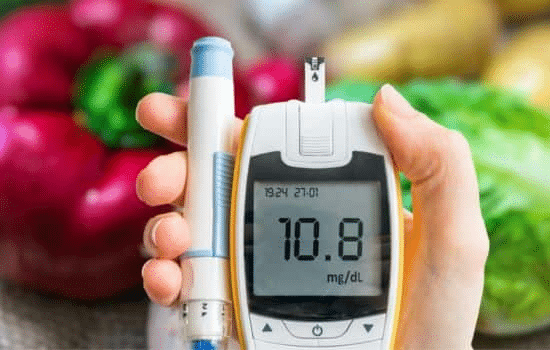
Technology can assist with tracking. Glucose meters, continuous glucose monitors, fitness trackers, and smartphone apps make monitoring easier and more accurate. Using these tools provides real-time feedback showing how specific foods and activities affect your blood sugar.
Celebrate every victory, no matter how small. Did your fasting glucose drop by 10 points? Did you complete your first week of consistent exercise? These milestones deserve recognition and reinforce positive behaviors.
Understanding Realistic Timelines and Expectations ⏰
Diabetes reversal doesn’t happen overnight. Setting realistic expectations prevents discouragement and helps you maintain long-term commitment.
Some people experience dramatic improvements within weeks, while others require months of consistent effort. Factors influencing your timeline include how long you’ve had diabetes, your starting weight, medication usage, genetic factors, and adherence to lifestyle changes.
Generally, you might notice improved energy and reduced blood sugar readings within the first few weeks. Significant HbA1c improvements typically emerge after two to three months of consistent lifestyle changes. Complete remission—maintaining normal blood sugar without medication—may take six months to a year or longer.
The key is consistency rather than perfection. You don’t need to execute everything flawlessly every single day. What matters is that your overall trajectory moves in the right direction, with healthy choices far outnumbering unhealthy ones.
Working with Your Healthcare Team Throughout the Journey 👨⚕️
Never attempt diabetes reversal without medical supervision. As your condition improves, medication dosages may need adjustment to prevent dangerously low blood sugar (hypoglycemia).
Schedule regular check-ins with your doctor to review blood work, discuss progress, and modify treatment plans accordingly. A supportive healthcare provider who believes in reversal potential becomes an invaluable ally.
Be open about your goals and the lifestyle changes you’re implementing. Your doctor can provide personalized recommendations based on your unique health profile, comorbidities, and medication regimen.
If your current provider dismisses reversal as impossible or discourages your efforts, consider seeking a second opinion. While not all cases of type 2 diabetes are reversible, many are, and you deserve medical support aligned with evidence-based reversal protocols.
Sustaining Your Success for Lifelong Health 🌱
Reaching remission represents a tremendous achievement, but maintaining it requires ongoing commitment. Diabetes reversal isn’t a temporary project with a finish line—it’s a permanent lifestyle transformation.
The habits that reversed your diabetes must become your new normal. Returning to old eating patterns, sedentary behavior, and poor lifestyle choices will likely result in diabetes returning.
However, this doesn’t mean living in perpetual restriction. As you establish new patterns, healthy choices become increasingly automatic. Foods that once tempted you may lose their appeal as you experience the benefits of optimal health.
Many ex-diabetics report that they no longer feel deprived because they’ve discovered delicious, satisfying foods that support their health. Movement becomes enjoyable rather than obligatory. Better sleep and stress management enhance quality of life beyond just blood sugar control.
Building flexibility into your approach prevents burnout. If you occasionally indulge in less-than-optimal choices during special occasions, simply return to your healthy patterns afterward without guilt or self-criticism.
The Empowerment of Taking Control
Perhaps the most profound aspect of diabetes reversal isn’t just the improved health markers—it’s the empowerment that comes from taking control of your health destiny. You’ve demonstrated that you’re not powerless against this condition.
This journey teaches discipline, resilience, self-compassion, and the remarkable capacity for transformation. These lessons extend far beyond diabetes, positively impacting every area of your life.
Your success story can inspire others facing similar challenges. Sharing your experience—whether with friends, family, or broader communities—multiplies the impact of your transformation.
Remember that setbacks are normal and don’t define your journey. What matters is your response: do you use temporary challenges as excuses to quit, or as opportunities to learn and adjust your approach?
Becoming an ex-diabetic is absolutely possible for many people with type 2 diabetes. By transforming your nutritional approach, implementing regular physical activity, and optimizing sleep and stress management, you create the conditions for metabolic healing and diabetes reversal.
The path requires commitment, patience, and consistency, but the rewards—freedom from medication, improved energy, reduced health risks, and enhanced quality of life—make every effort worthwhile. Your health is your most valuable asset, and investing in it through these three fundamental steps may be the most important decision you ever make. 🎯
