
Anúncios
The PIS program remains a vital part of Brazil’s social security system, and understanding the 2026 payment calendar helps millions of workers plan their finances more effectively.


Each year, Brazilian workers anticipate the release dates for their PIS/PASEP benefits, which represent important financial support for eligible citizens. The payment schedule follows a structured calendar based on birth months for private sector workers and final registration numbers for public servants.
Anúncios
Planning ahead with accurate information about payment dates allows beneficiaries to organize their household budgets, settle debts, or invest in personal projects. Let’s explore everything you need to know about the PIS payment schedule for 2026 in a straightforward and practical manner.
📅 Understanding the PIS Payment Structure for 2026
The PIS (Social Integration Program) benefit operates on an annual cycle, with payments typically beginning in the second half of the calendar year and extending into the following year’s first quarter. For the 2026 base year, workers who were employed with a registered work card during 2024 become eligible for benefits distributed throughout 2026.
Anúncios
The Federal Government, through Caixa Econômica Federal, manages the payment calendar for private sector employees, while Banco do Brasil handles PASEP distributions for public servants. Both institutions follow similar timeline structures, making it easier for beneficiaries to anticipate their payment windows.
The payment amount varies based on the number of months worked during the base year. Workers who completed all twelve months receive the full minimum wage value, while those who worked fewer months receive proportional amounts. This fair distribution ensures that even workers with partial-year employment can access this benefit.
💰 Expected Payment Calendar Structure
While the official 2026 calendar will be formally announced by the government in early 2026, historical patterns provide reliable guidance. The payment schedule traditionally follows a birth-month system for PIS recipients in the private sector.
Based on established patterns from previous years, payments typically begin in February and extend through March for those born in January through March. Workers born in April through June generally receive their benefits between April and May. Those with July through September birthdays can expect payments from June to August, while October through December birth months receive benefits from September through November.
Public servants receiving PASEP follow a different structure based on their registration number’s final digit. This system distributes payments more evenly throughout the designated period, preventing overwhelming demand on any single date.
🗓️ Projected Timeline for Private Sector Workers
The anticipated distribution schedule for 2026 suggests that workers born in January will likely receive their PIS benefits starting in mid-February. Each subsequent birth month follows at approximately two-week intervals, creating a staggered payment system that extends through the year’s first ten months.
This gradual release helps government institutions manage the enormous volume of transactions while ensuring that each beneficiary receives their entitled amount within a reasonable timeframe. The system has proven effective over decades of implementation, balancing administrative capacity with citizen needs.
✅ Who Qualifies for PIS Payments in 2026?
Eligibility requirements remain consistent year after year, providing clarity for workers wondering whether they qualify. To receive the 2026 PIS payment based on the 2024 work year, several conditions must be met simultaneously.
First, the worker must have been registered in the PIS program for at least five years. This requirement ensures the benefit reaches established workers rather than those just entering the workforce. Second, the individual must have worked for at least 30 days during 2024 with formal employment registration under the CLT labor code.
Additionally, the employer must have correctly reported the worker’s information through the RAIS (Annual Social Information Report) or eSocial system. Compensation during 2024 must not have exceeded two minimum wages on average. Finally, the registration data must be current and accurate in government databases.
📋 Documentation and Information Updates
Keeping personal information current with Caixa Econômica Federal or Banco do Brasil significantly streamlines the payment process. Workers should verify that their residential address, phone number, and personal identification documents remain up to date in government systems.
Many beneficiaries discover eligibility issues only when attempting to withdraw their benefits, causing unnecessary delays and frustration. Proactive verification through the Carteira de Trabalho Digital app or gov.br portal helps identify potential problems months before payment dates arrive.
💳 How to Access Your PIS Benefit
Multiple withdrawal methods provide flexibility for beneficiaries with different banking relationships and personal preferences. Workers who maintain savings accounts or checking accounts at Caixa Econômica Federal receive automatic deposits, eliminating the need for physical branch visits.
Those without Caixa accounts can utilize the Caixa Tem digital platform, which creates a simplified digital social savings account. This free application allows benefit access through various channels, including ATM withdrawals, authorized lottery retailers, and correspondent banking locations throughout Brazil.
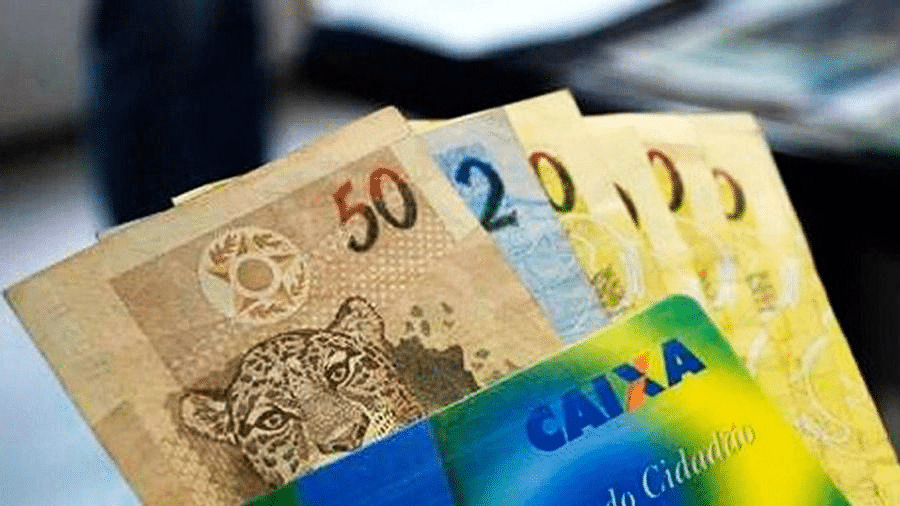
The Social Digital Card (Cartão Cidadão) represents another convenient option, functioning at ATMs and authorized points of service nationwide. For those preferring traditional methods, branch counter service remains available during the withdrawal period, though wait times may be longer during peak payment dates.
📱 Digital Solutions for Modern Beneficiaries
Technology has transformed how Brazilians interact with social benefits, making the process more accessible and efficient. The Caixa Tem application downloads easily onto smartphones, providing instant benefit balance checks, payment date confirmations, and withdrawal options without leaving home.
The gov.br portal consolidates multiple government services into a single platform, allowing workers to verify eligibility, check payment status, and update registration information through an intuitive interface. This digital integration represents significant progress in citizen service delivery, particularly for those living in remote areas with limited physical banking infrastructure.
🧮 Calculating Your Expected Benefit Amount
Understanding how much you’ll receive helps with financial planning and ensures you can verify the correct payment. The calculation formula is straightforward: divide the current minimum wage by twelve, then multiply by the number of months worked during the base year.
For example, if the minimum wage in 2026 stands at R$1,412 and you worked eight months during 2024, your benefit would be R$941.33 (1,412 ÷ 12 × 8). Workers who completed all twelve months receive the full minimum wage amount as their benefit.
Partial months count toward the calculation if you worked at least 15 days. Employment periods of 14 days or fewer within a calendar month don’t contribute to the month count, though consecutive shorter periods across month boundaries may qualify when combined.
🔍 Common Questions and Clarifications
Many workers share similar concerns about PIS eligibility and payment procedures. Understanding these common scenarios helps eliminate confusion and anxiety around benefit access.
Workers who changed jobs during 2024 maintain eligibility as long as they accumulated at least 30 days of formal employment across all positions during that year. The benefit calculation considers total months worked, regardless of how many different employers contributed to that total.
Those who were dismissed without cause maintain full eligibility for PIS payments, as the benefit relates to work completed during the base year rather than current employment status. Even workers currently unemployed can receive benefits for qualifying work periods in previous years.
⚠️ What If You Miss Your Withdrawal Window?
Life circumstances sometimes prevent timely benefit withdrawal, but the money doesn’t disappear. Beneficiaries who miss their designated payment period can still access their benefits during the supplementary withdrawal period, which typically extends several months beyond the regular schedule.
After this extended period expires, unclaimed benefits return to the Workers’ Support Fund (FAT), but workers don’t lose their entitlement. Claims for payments from previous years can be made at Caixa branches with proper documentation, though the process requires more paperwork than withdrawing during the regular calendar.
🌐 Staying Informed About Official Announcements
Government agencies announce the official calendar through multiple channels, ensuring broad public awareness. The Ministry of Labor and Social Security typically releases the confirmed schedule in December or January preceding the payment year, giving workers several weeks to prepare.
Caixa Econômica Federal’s official website publishes detailed payment calendars, eligibility verification tools, and frequently updated information addressing common beneficiary questions. Following official social media accounts provides timely updates about any schedule adjustments or important procedural changes.
News outlets throughout Brazil extensively cover PIS payment information, particularly as payment dates approach. However, beneficiaries should verify critical information through official government sources rather than relying solely on third-party reports, which occasionally contain errors or outdated details.
💡 Smart Financial Planning with Your PIS Benefit
Receiving an annual benefit payment creates opportunities for strategic financial decisions that can improve your household’s economic stability. Rather than treating the payment as unexpected windfall money, consider incorporating it into your annual budget planning.
Some families use their PIS payments to build emergency savings, recognizing that unexpected expenses arise throughout the year. Others apply the benefit toward reducing high-interest debt, particularly credit card balances that accumulate expensive finance charges month after month.
Investing in personal or professional development represents another valuable use for this benefit. Online courses, professional certifications, or educational materials can enhance career prospects and earning potential, creating returns that far exceed the initial PIS amount over time.
🏠 Practical Uses That Add Value
Home maintenance projects often get postponed due to budget constraints, but PIS payments can fund essential repairs that prevent larger problems later. Addressing minor plumbing issues, electrical concerns, or structural maintenance protects property value while improving living conditions.
Healthcare expenses, particularly preventive services not fully covered by public health systems, represent wise investments in long-term wellbeing. Dental treatments, eye examinations, or specialized medical consultations become more accessible when planned around expected PIS payment dates.
🎯 Key Takeaways for 2026 Beneficiaries
The PIS payment system continues supporting millions of Brazilian workers through a well-established, predictable framework. Understanding your eligibility, expected payment timing, and withdrawal options ensures smooth benefit access without last-minute complications.
Maintaining current registration information and regularly checking your status through digital platforms prevents common issues that delay payments. The government’s investment in digital infrastructure makes verification and access easier than ever, particularly for tech-comfortable younger workers.
Remember that official announcements typically arrive in early 2026 for that year’s payment calendar. Staying informed through reliable government sources helps you plan appropriately and avoid misinformation circulating through unofficial channels.
This annual benefit represents an important element of Brazil’s social protection network, acknowledging workers’ contributions while providing financial support that helps families meet their needs. Whether you’re receiving PIS for the first time or have benefited for many years, understanding the process empowers you to make the most of this valuable program.
As 2026 approaches, take time to verify your eligibility, confirm your registration details are current, and plan how you’ll use this benefit most effectively for your household’s financial wellbeing. With proper preparation, accessing your PIS payment becomes a straightforward process that supports your broader financial goals throughout the year.
