
Anúncios
Struggling to fall asleep at night? You’re not alone. Millions of people worldwide experience sleep difficulties, and thankfully, technology now offers a helping hand through specialized sleep apps.


Sleep apps have revolutionized how we approach rest and relaxation in our busy lives. These digital companions combine science, sound therapy, and mindfulness techniques to guide you into peaceful slumber. Whether you’re dealing with stress, anxiety, or simply need help establishing a healthy bedtime routine, a sleep app might be the solution you’ve been searching for.
Anúncios
Modern sleep applications offer far more than simple white noise. They provide personalized experiences, track your sleep patterns, and adapt to your unique needs. Let’s explore how these remarkable tools work and why they’ve become essential for millions seeking better rest. 😴
🌙 What Makes Sleep Apps So Effective?
Sleep apps leverage cutting-edge research in neuroscience and sleep medicine. They’re designed to address the root causes of sleeplessness by calming an overactive mind and creating optimal conditions for rest.
Anúncios
The effectiveness comes from multiple factors working together. First, these apps use specially crafted audio content that influences brainwave patterns. Second, they establish consistent bedtime routines that signal your body it’s time to wind down. Finally, they provide educational resources that help you understand and improve your sleep hygiene.
Many users report falling asleep faster and experiencing deeper, more restorative sleep within just a few days of regular use. The key is consistency and finding the right combination of features that work for your individual needs.
🎵 Sound Therapy: The Core Feature
At the heart of most sleep apps lies an extensive library of soothing sounds. These aren’t random recordings—they’re carefully selected and engineered to promote relaxation.
Popular sound categories include:
- Nature sounds like rain, ocean waves, and forest ambiance
- White noise, pink noise, and brown noise variations
- Binaural beats designed to synchronize brainwaves
- ASMR triggers for sensory relaxation
- Gentle instrumental music and meditation tones
- Guided sleep meditations with calming narratives
The science behind sound therapy is fascinating. Certain frequencies can actually slow down your heart rate and lower cortisol levels—the stress hormone that keeps you awake. By selecting sounds that resonate with you personally, the app creates a customized acoustic environment conducive to sleep.
Mixing Your Perfect Sleep Soundtrack
One standout feature in advanced sleep apps is the ability to layer multiple sounds together. You can create unique combinations like rain mixed with distant thunder and soft piano melodies. This customization ensures you never get bored with the same sounds and can adapt your experience based on your nightly mood.
Some apps even offer 3D soundscapes that simulate realistic environments, making you feel like you’re actually camping in a forest or relaxing on a tropical beach.
📊 Sleep Tracking and Analytics
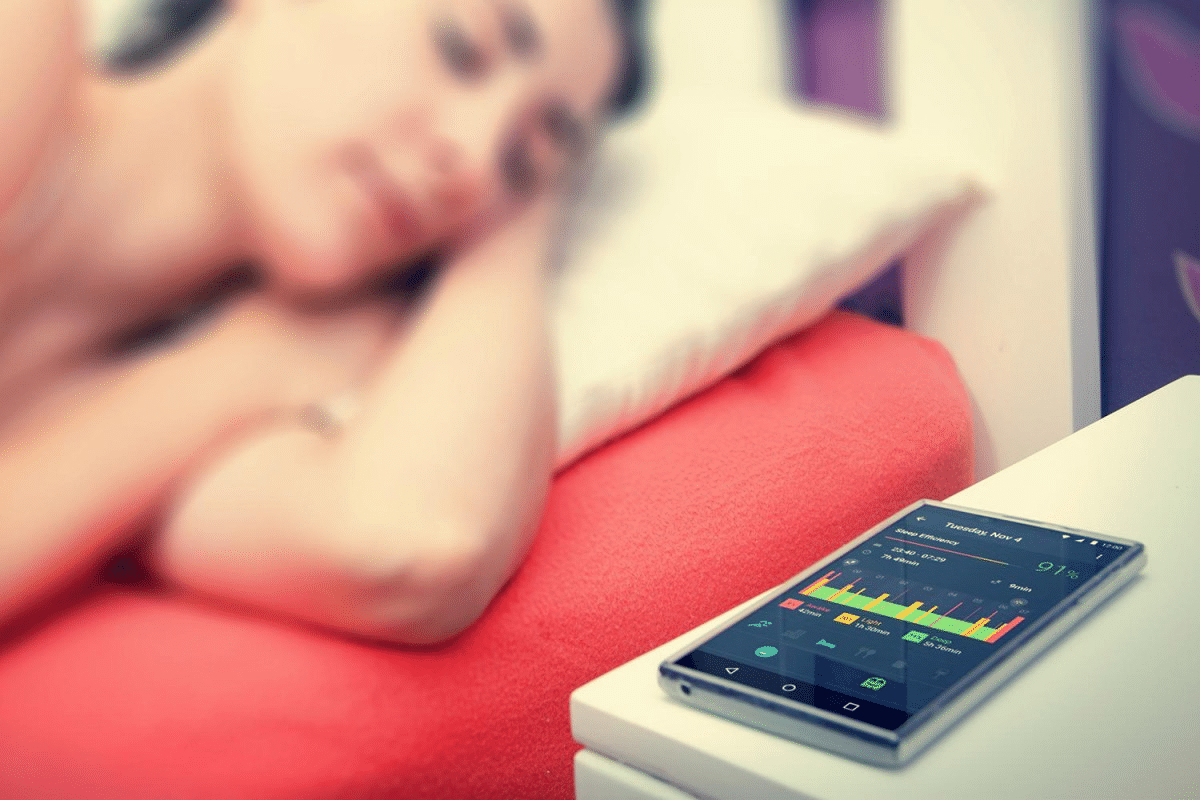
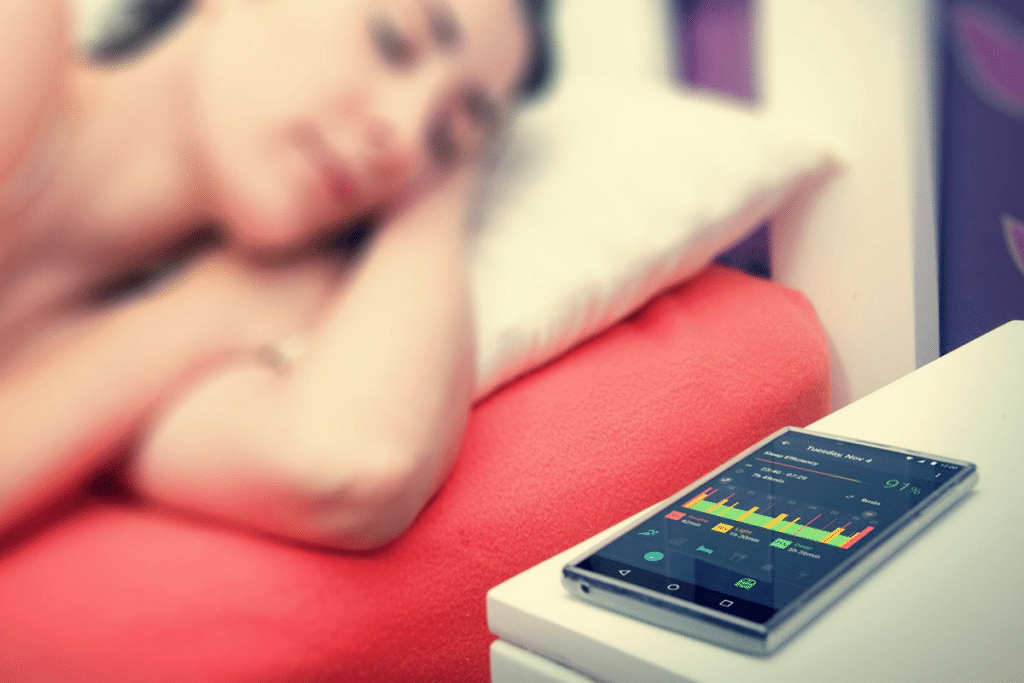
Understanding your sleep patterns is crucial for improvement. Modern sleep apps include sophisticated tracking features that monitor your sleep cycles throughout the night.
Using your smartphone’s sensors or integration with wearable devices, these apps can detect:
- How long it takes you to fall asleep
- The duration of light, deep, and REM sleep stages
- Night movements and restlessness
- Snoring and breathing irregularities
- Optimal wake-up times within your sleep cycle
The app then presents this data in easy-to-understand charts and graphs. Over time, you’ll notice patterns and correlations—perhaps you sleep better on days you exercise, or worse when you consume caffeine after 3 PM. This self-knowledge empowers you to make lifestyle adjustments that genuinely improve your rest.

🧘 Guided Meditations and Breathing Exercises
Many sleep disturbances stem from an inability to quiet racing thoughts. This is where guided meditations become invaluable tools within sleep apps.
Professional narrators with soothing voices walk you through relaxation techniques specifically designed for bedtime. These sessions typically range from 5 to 30 minutes and employ various approaches like body scan meditations, progressive muscle relaxation, and visualization exercises.
Breathing exercises are equally powerful. The app might guide you through the 4-7-8 technique (inhale for 4 counts, hold for 7, exhale for 8) or other patterns proven to activate your parasympathetic nervous system—your body’s natural relaxation response.
Bedtime Stories for Adults
It might sound childish, but adult bedtime stories have exploded in popularity. Sleep apps now feature extensive libraries narrated by celebrities and voice actors with particularly calming voices. These stories are intentionally slow-paced and non-stimulating, designed to occupy your conscious mind just enough to prevent anxious thoughts while allowing sleep to naturally arrive. 📖
⏰ Smart Alarm Features
Waking up is just as important as falling asleep. Sleep apps include smart alarm clocks that monitor your sleep cycles and wake you during the lightest sleep phase within a specified time window.
This means instead of jolting awake from deep sleep feeling groggy, you wake naturally during a lighter phase, feeling more refreshed and alert. The difference in morning energy levels can be remarkable.
Many apps also offer gradual wake-up features where the alarm sound slowly increases in volume, or the screen simulates a sunrise, mimicking natural awakening patterns that are gentler on your system.
🌟 Establishing Healthy Sleep Routines
Consistency is the foundation of good sleep. Sleep apps help you establish and maintain effective bedtime routines through reminders and structured programs.
The app can notify you when it’s time to start winding down, prompting you to dim lights, put away screens, and begin your relaxation routine. This conditioning trains your brain to recognize these cues as signals that sleep is approaching.
Some apps offer multi-day programs that gradually improve your sleep habits. These might include educational content about sleep hygiene, challenges to avoid screens before bed, or suggestions for creating the optimal sleep environment.
🔬 The Science Behind Better Sleep
Sleep apps aren’t just feel-good technology—they’re grounded in legitimate science. Research shows that audio stimulation can influence brainwave activity, shifting it from the alert beta waves associated with wakefulness to the slower alpha and theta waves that precede sleep.
Studies on meditation and mindfulness consistently demonstrate reduced anxiety and improved sleep quality. By making these practices accessible and guided, apps lower the barrier to entry for people who might otherwise never try meditation.
The consistency aspect also aligns with chronobiology—the study of biological rhythms. By helping you maintain regular sleep and wake times, these apps support your circadian rhythm, the internal clock that regulates sleepiness and alertness throughout the day.
💡 Personalizing Your Sleep Experience
No two sleepers are alike, which is why the best sleep apps offer extensive personalization options. After using the app for several nights, it learns your preferences and can suggest content you’re most likely to find relaxing.
You can typically adjust:
- Sound volume and mix ratios
- Meditation voice and pacing
- Timer duration for automatic shut-off
- Dark mode and screen brightness
- Alarm sounds and wake-up window preferences
This level of customization ensures the app adapts to you rather than forcing you to adapt to a one-size-fits-all solution.
👨👩👧👦 Benefits Beyond Personal Sleep
Sleep apps aren’t just for adults with insomnia. They’ve proven valuable for families, travelers, and anyone facing temporary sleep disruptions.
Parents use them to create calming environments for children’s bedtime routines. Travelers rely on them to adjust to new time zones and unfamiliar hotel rooms. Students use them during exam periods when stress affects their ability to rest.
The portability of smartphone apps means your sleep solution travels with you, providing consistency even when your environment changes. This can significantly reduce sleep anxiety related to being away from home.
🔐 Privacy and Data Security
When using any health-related app, privacy is a legitimate concern. Reputable sleep apps take data protection seriously, encrypting your sleep data and providing transparent privacy policies.
Most apps function perfectly without requiring extensive personal information. Your sleep data typically remains on your device unless you choose to sync it to cloud storage for backup purposes.
Always review the app’s privacy policy before providing sensitive information, and check user reviews for any reported security concerns.
💰 Free Features vs. Premium Subscriptions
Many sleep apps operate on a freemium model—basic features are free, with premium content available through subscription.
Free versions typically include:
- A limited selection of sounds and meditations
- Basic sleep tracking
- Standard alarm functions
Premium subscriptions unlock extensive libraries, advanced analytics, offline access, and regular new content. Prices usually range from $5 to $15 monthly, with annual subscriptions offering significant savings.
For those dealing with chronic sleep issues, the investment is often worthwhile considering the cost of poor sleep on health, productivity, and quality of life. However, many users find the free versions perfectly adequate for their needs.
🚀 Getting Started with Your Sleep App
Ready to transform your nights? Getting started is simple. After downloading the app, you’ll typically complete a brief questionnaire about your sleep challenges and preferences.
For the first week, experiment with different sounds and features to discover what works best for you. Don’t feel pressured to use every feature—sometimes simplicity is most effective.
Commit to using the app consistently for at least two weeks. Sleep improvements often require time as your body adjusts to new routines and your mind learns to associate the app’s sounds with sleep.
Track your progress through the app’s analytics, noting which nights you sleep best and what factors might have contributed. This data-driven approach helps you continuously refine your sleep strategy.
✨ Real Users, Real Results
User testimonials consistently highlight life-changing improvements. People who spent years struggling with insomnia report finally sleeping through the night. Anxious minds find peace in guided meditations. Shift workers create artificial darkness cues that help them sleep during daylight hours.
The common thread in these success stories is consistency and patience. Sleep apps aren’t magic pills—they’re tools that work best when used regularly as part of a comprehensive approach to sleep health that includes proper sleep hygiene, healthy lifestyle choices, and stress management.
🌈 The Future of Sleep Technology
Sleep apps continue evolving with impressive innovations on the horizon. Artificial intelligence is becoming more sophisticated at personalizing recommendations. Integration with smart home devices allows apps to adjust room temperature and lighting automatically. Virtual reality experiences are being explored for immersive relaxation environments.
As sleep science advances, apps will incorporate the latest research, making cutting-edge sleep therapy accessible to anyone with a smartphone. The democratization of sleep health through technology represents a significant step forward in public wellness.
🎯 Making Sleep a Priority
In our productivity-obsessed culture, sleep often gets sacrificed. Yet quality sleep is fundamental to physical health, mental clarity, emotional stability, and overall life satisfaction. Using a sleep app is one of the most practical ways to prioritize rest in your busy life.
Think of it as an investment in every waking hour—better sleep means better focus, improved mood, stronger immunity, and greater resilience against stress. The hour you spend preparing for and enjoying quality sleep pays dividends throughout your entire day.
Whether you’re dealing with occasional sleeplessness or chronic insomnia, a sleep app offers accessible, science-backed support. You don’t need a prescription, an appointment, or even to leave your bedroom. The help you need is already in your pocket, ready to guide you toward the restful nights you deserve. 🌙✨
Download a sleep app tonight and take the first step toward transforming your relationship with rest. Your mind and body will thank you tomorrow morning—and every morning after that.
