
Anúncios
Listening to AM/FM radio on your cell phone brings the traditional broadcasting experience directly to your pocket, combining nostalgia with modern convenience.


Radio broadcasting has evolved dramatically since its inception, yet the fundamental appeal remains unchanged. People still crave live content, local news, traffic updates, weather forecasts, and the spontaneous discovery of new music. While streaming services dominate the audio landscape, AM/FM radio maintains a loyal following thanks to its immediacy, community connection, and zero data consumption when using built-in hardware.
Anúncios
Today’s smartphones offer multiple pathways to access radio content. Whether through native FM chips, internet streaming applications, or hybrid solutions, listeners have more options than ever before. Understanding these different methods helps you maximize your mobile radio experience while managing battery life and data usage effectively. Let’s explore how you can transform your smartphone into a powerful radio receiver.
📻 Understanding FM Chips in Modern Smartphones
Many people don’t realize their smartphones contain dormant FM radio receivers. These hardware chips can receive broadcast signals directly without internet connectivity. However, manufacturers and carriers often disable this functionality, prioritizing streaming services that consume mobile data instead.
Anúncios
The FM chip typically uses your headphone cable as an antenna. When you plug in wired earphones, the device can pick up local radio stations broadcasting within range. This feature proves invaluable during emergencies when cellular networks become congested or unavailable, yet internet-free radio continues broadcasting.
Activating your phone’s FM chip requires specific applications designed to interface with the hardware. NextRadio and other similar apps unlock this capability on compatible devices. Unfortunately, many newer flagship phones eliminate FM chips entirely, particularly after manufacturers removed headphone jacks from their designs.
🎧 Popular Radio Apps That Stream Content
Internet-based radio applications represent the most accessible method for listening to AM/FM stations on smartphones. These apps stream live broadcasts over WiFi or cellular data, offering thousands of stations worldwide regardless of your physical location.
TuneIn Radio stands as one of the most comprehensive platforms, aggregating over 100,000 radio stations from around the globe. The interface allows browsing by location, genre, language, or specific station call letters. Premium subscriptions remove advertisements and add sports programming from major leagues.
iHeartRadio focuses primarily on American stations, offering extensive coverage of commercial broadcasters alongside custom stations and podcasts. The app integrates seamlessly with automotive systems and smart speakers, creating a unified listening experience across devices.
Simple Radio provides an exceptionally clean interface for accessing AM/FM stations through internet streaming. The application prioritizes ease of use, allowing quick access to favorites while discovering new content through intuitive browsing categories.

🌐 Comparing Streaming vs. Hardware Reception
Choosing between streaming apps and built-in FM receivers involves weighing several factors. Each method offers distinct advantages depending on your circumstances, preferences, and device capabilities.
Data Consumption Considerations
Hardware-based FM reception uses zero mobile data because it receives broadcast signals directly from transmission towers. This makes it ideal for listeners with limited data plans or those who want to preserve bandwidth for other applications. Streaming radio typically consumes between 50-100 MB per hour depending on audio quality settings.
For daily commuters spending several hours listening to radio, data usage accumulates quickly. Monthly consumption can easily reach several gigabytes, potentially triggering overage charges or throttling on capped plans. Using WiFi whenever possible mitigates this concern, though that option isn’t available during travel.
Station Availability and Geographic Limitations
FM chips only receive signals from nearby transmission towers, typically within 30-60 miles depending on terrain and broadcast power. This limitation means you’ll lose your favorite station when traveling outside its coverage area. Urban areas naturally offer more station choices than rural regions.
Streaming applications eliminate geographic barriers entirely. You can listen to stations from your hometown while traveling internationally, maintaining that connection to local news and familiar voices. This global accessibility represents streaming’s most compelling advantage over traditional reception methods.
Audio Quality Differences
Hardware FM receivers deliver audio quality directly dependent on signal strength and local interference. Strong signals produce clear sound, while weak signals introduce static and dropouts. AM radio inherently offers lower fidelity than FM due to technical limitations of amplitude modulation.
Streaming quality depends on your internet connection speed and the app’s bitrate settings. Most services offer options ranging from low quality (saving data) to high quality (better sound). A stable broadband connection typically delivers superior and more consistent audio than over-the-air reception.
⚡ Battery Life Impact When Listening
Radio listening affects battery performance differently depending on your chosen method. Understanding these differences helps manage device longevity during extended listening sessions.
Using built-in FM chips consumes remarkably little power because the hardware receiver operates independently from data-hungry network radios. Your phone can last significantly longer when listening through direct reception compared to streaming. Many users report minimal battery drain during several hours of FM listening.
Streaming applications tax your battery more substantially because they maintain constant cellular or WiFi connections while processing audio data. The screen remaining active during use further accelerates drain. Enabling airplane mode with WiFi (when available) reduces consumption, as does lowering screen brightness and using battery saver modes.
🚗 Car Integration and Mobile Listening
Many modern vehicles offer smartphone integration through Android Auto or Apple CarPlay, allowing radio apps to display on dashboard screens. This integration provides safer access to streaming radio while driving, keeping your phone tucked away and reducing distraction.
Bluetooth audio connectivity works universally across vehicles, streaming your phone’s audio through car speakers. This method works whether you’re using streaming apps or hardware FM reception, though the latter rarely makes sense when your car already includes a superior radio tuner.
The real advantage of phone-based radio in cars emerges during road trips beyond your local stations’ range. Streaming lets you maintain listening continuity, though data consumption concerns resurface during extended travel. Downloading podcast episodes or music playlists beforehand offers an alternative when approaching data limits.
🛠️ How to Activate Your Phone’s FM Chip
If your device includes an FM receiver, activation requires several steps. Not all phones support this feature, particularly newer models from manufacturers who removed the hardware entirely.
First, verify whether your specific phone model contains an FM chip. Online databases and manufacturer specifications provide this information. Samsung, LG, and Motorola historically included FM capabilities more consistently than Apple, which never enabled this feature on iPhones despite hardware presence in some models.
Download a compatible FM radio application from your device’s app store. NextRadio previously served this purpose excellently before discontinuing service, but alternatives like Radio FM and Simple Radio FM maintain hardware support on compatible devices.
Plug in wired headphones to serve as the antenna. Without this physical connection, the FM receiver cannot pick up signals effectively. Launch your chosen app and begin scanning for available stations in your area. Save favorites for quick access during future listening sessions.
📡 Emergency Preparedness Benefits
Radio’s value becomes most apparent during emergencies when cellular networks fail or become overwhelmed. Natural disasters, power outages, and other crises often disrupt internet connectivity while radio stations continue broadcasting vital information from backup power systems.
The Federal Emergency Management Agency (FEMA) specifically recommends battery-powered or hand-crank radios for emergency kits. A smartphone with activated FM capabilities serves this purpose admirably, especially when paired with portable battery banks or solar chargers.
Emergency Alert System (EAS) broadcasts reach listeners through radio stations, providing official information about evacuations, shelter locations, weather warnings, and safety instructions. Having reliable access to these broadcasts can literally save lives during critical situations.
Many communities designate specific AM or FM stations as primary emergency broadcasters. Knowing which stations serve this function in your area before disaster strikes ensures you’ll find critical information quickly when needed most.
🎵 Discovering New Music Through Radio
Despite algorithm-driven streaming services, traditional radio still excels at music discovery. Live DJs curate playlists based on expertise and community preferences rather than computer predictions. This human element introduces serendipity often missing from automated recommendations.
College and community radio stations particularly shine for discovering underground artists and niche genres. These stations operate outside commercial pressures, playing adventurous selections that mainstream broadcasters avoid. Accessing them through streaming apps exposes you to incredible diversity unavailable through conventional channels.
Many radio apps include song identification features, displaying artist and track information in real-time. When you hear something intriguing, you can immediately save it to playlists or purchase it from integrated music stores. This seamless discovery-to-ownership pipeline enhances the listening experience.
🌍 International Radio Access
Streaming applications transform your smartphone into a window on global culture. You can explore radio from virtually any country, immersing yourself in different languages, musical traditions, and perspectives without leaving home.
Language learners benefit tremendously from accessing native broadcasts, improving comprehension through authentic content. News programming provides current events context while entertainment shows offer cultural insights. This exposure accelerates language acquisition more effectively than textbooks alone.
Expatriates and immigrants maintain connections to homeland culture through radio streaming. Hearing familiar voices, local news, and native music reduces feelings of isolation while living abroad. This emotional connection makes radio streaming especially valuable for diaspora communities worldwide.
💡 Maximizing Your Mobile Radio Experience
Optimizing your setup enhances enjoyment while minimizing frustrations. Small adjustments make significant differences during extended listening sessions.
Audio Quality Settings
Most streaming apps offer quality presets balancing sound fidelity against data consumption. Experiment with these settings to find your preferred compromise. Higher bitrates sound better but consume more data and battery power. Lower settings extend both resources at the expense of audio clarity.
Offline Features and Favorites
Organize frequently accessed stations into favorites lists for instant access. Some applications support offline caching of recent broadcasts, allowing playback without active connections. While true radio requires live streaming, these features provide flexibility for interrupted connectivity.
Sleep Timers and Alarms
Many radio apps include sleep timers that automatically stop playback after specified durations. This feature prevents unnecessary battery drain and data usage when falling asleep while listening. Some apps also offer alarm clock functionality, waking you to your favorite morning show instead of harsh beeping.
Widget and Notification Controls
Enable home screen widgets for one-tap access to favorite stations. Notification shade controls let you pause, play, and switch stations without opening the full application. These shortcuts streamline the listening experience, particularly during multitasking.
🔒 Privacy and Data Security Considerations
Like all applications, radio apps collect user data to varying degrees. Understanding privacy policies helps you make informed decisions about which services to trust with your information.
Free applications typically generate revenue through advertising, which requires collecting behavioral data for targeting purposes. This tracking includes listening habits, location information, and device identifiers. Reading privacy policies reveals exactly what data gets collected and how it’s used or shared.
Premium subscriptions often reduce tracking by eliminating ad-supported business models. Paying for services typically means becoming the customer rather than the product, though some companies maintain data collection regardless of subscription status.
Hardware-based FM reception offers maximum privacy since it receives broadcast signals without transmitting any information. No server logs track what you listen to, when, or where. This anonymity appeals to privacy-conscious users uncomfortable with pervasive digital surveillance.
🎙️ The Future of Mobile Radio
Radio broadcasting continues evolving alongside mobile technology. HD Radio technology delivers digital-quality audio over traditional frequencies, though smartphone support remains limited. As 5G networks expand, streaming quality and reliability will improve while reducing latency.
Manufacturers’ decisions regarding FM chip inclusion will significantly impact hardware-based reception availability. Current trends favor elimination, pushing users toward streaming exclusively. Advocacy groups argue for preserving this emergency capability, but commercial interests often prevail.
Interactive radio features increasingly blur lines between broadcasting and streaming. Listeners can request songs, participate in polls, and engage with hosts through integrated social features. This interactivity transforms passive listening into community participation.
Podcast integration within radio apps creates hybrid platforms serving multiple audio content types. This convergence simplifies app management while providing comprehensive audio entertainment from single interfaces. The distinction between “radio” and “audio content” continues fading as formats merge.
🎯 Choosing the Right Solution for Your Needs
Your ideal mobile radio setup depends on personal priorities, device capabilities, and listening habits. Consider these factors when selecting your approach.
If data conservation matters most, prioritize devices with FM chips and applications that access them. This zero-data solution works perfectly for local listening without internet requirements. Understand that station selection remains limited to your geographic area.
For maximum variety and geographic flexibility, streaming applications provide unmatched access to global content. Accept higher data consumption and ensure your mobile plan accommodates this usage. WiFi listening whenever possible minimizes cellular data impact.
Emergency preparedness advocates should maintain multiple options, including hardware FM capabilities and downloaded emergency information. Redundancy ensures communication access when primary systems fail.
Audiophiles seeking best possible sound quality should explore apps offering high-bitrate streaming over reliable broadband connections. Premium subscriptions often unlock superior audio options alongside expanded content libraries.
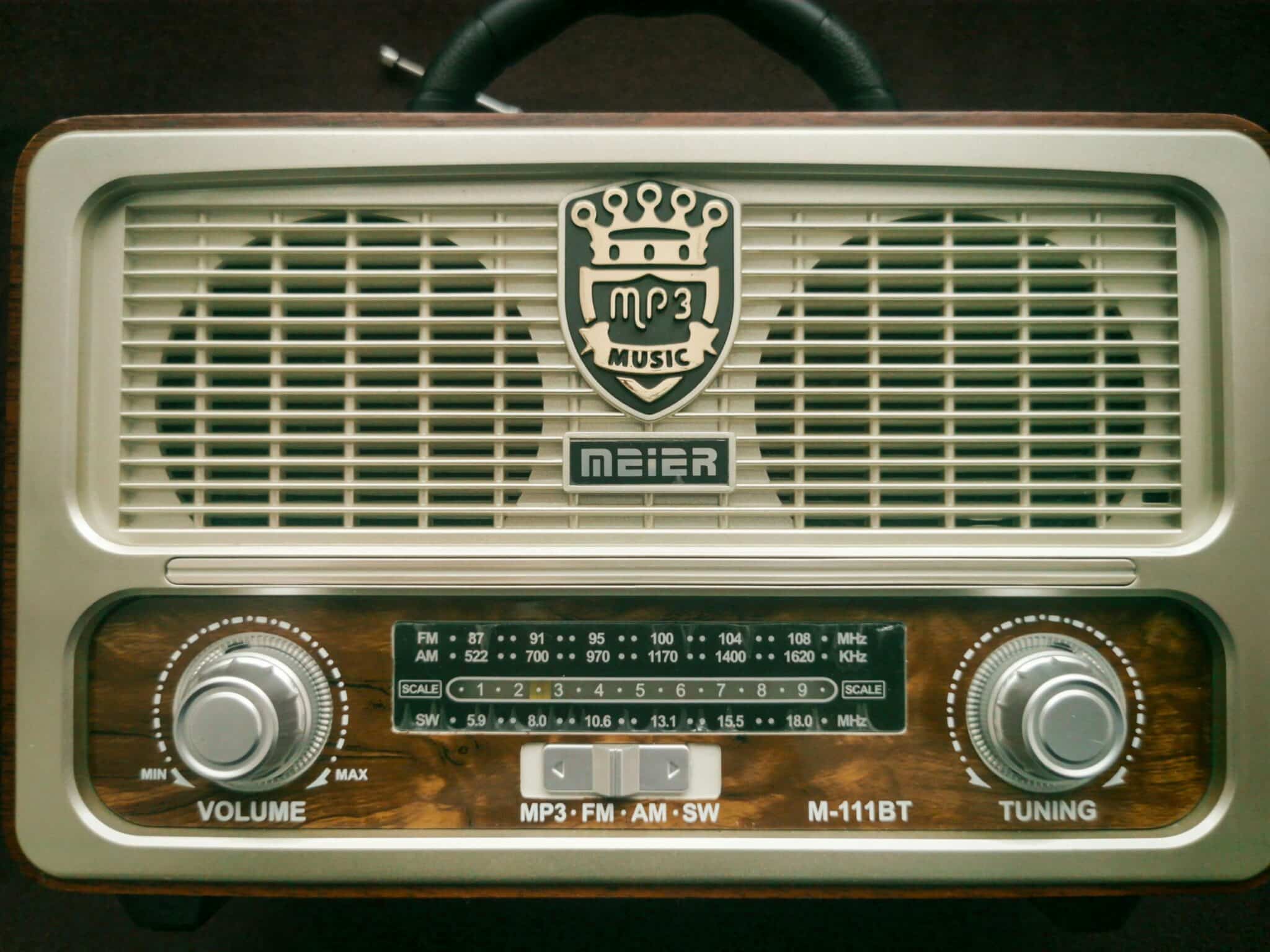
📱 Making Radio Personal Again
Mobile radio listening restores personal intimacy to a traditionally shared experience. Private listening through earphones creates direct connections with broadcasters without the communal aspects of household radios or car receivers.
This personalization extends beyond hardware into content selection. Curating favorite stations from worldwide options creates individualized radio landscapes impossible with traditional receivers limited to local signals. Your phone becomes a custom radio universe tailored to your precise preferences.
The convenience of pocket-sized radio access means incorporating broadcasts into activities previously incompatible with listening. Exercise, commuting, cooking, and countless other situations now accommodate radio companionship that enriches daily routines.
Social features in modern radio apps let you share discoveries with friends, compare listening habits, and explore others’ favorite stations. This digital community recreates social aspects of radio listening for the mobile age, connecting people through shared audio experiences despite physical distances.
Whether you choose streaming applications or hardware FM receivers, transforming your smartphone into a radio opens new dimensions of audio content. Local news keeps you informed, music programming broadens your tastes, and talk shows provide companionship during solitary activities. The technology may be modern, but the fundamental human connection to radio’s immediacy and spontaneity remains timeless. Your phone becomes more than a computing device—it becomes your personal gateway to the living, breathing world of broadcast radio, carried wherever life takes you. 📻✨
