
Anúncios
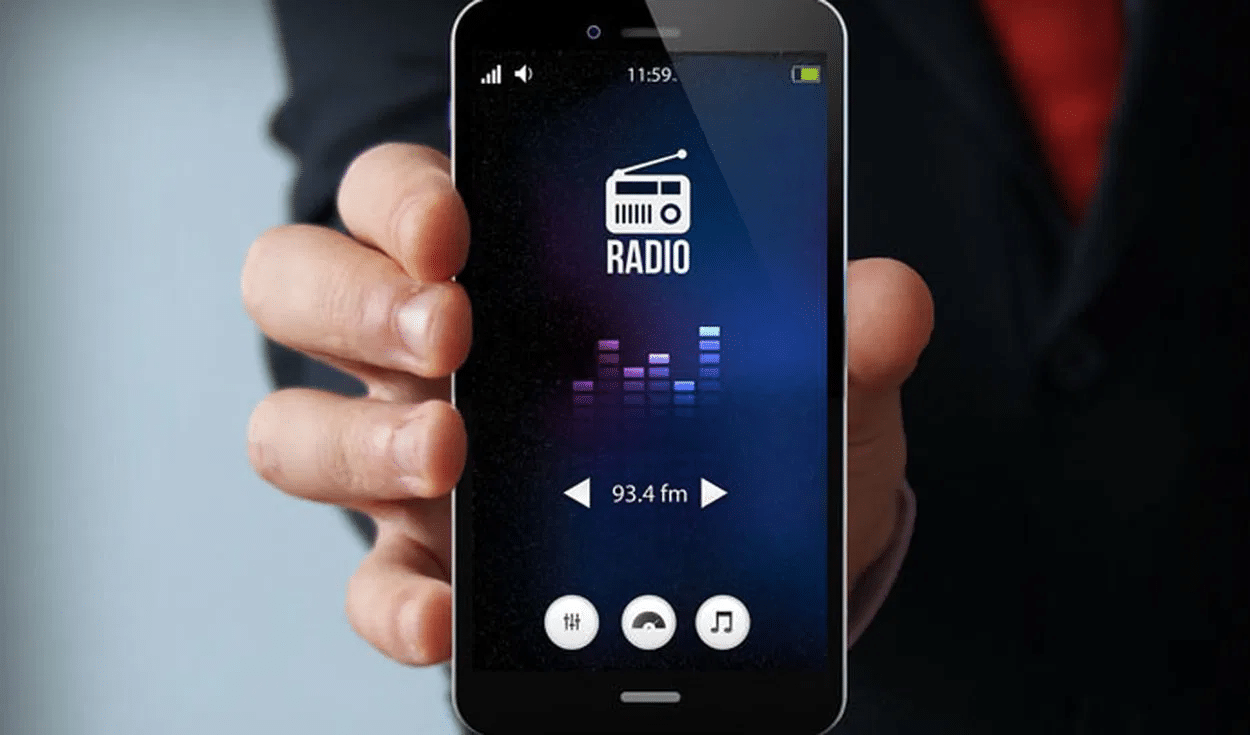
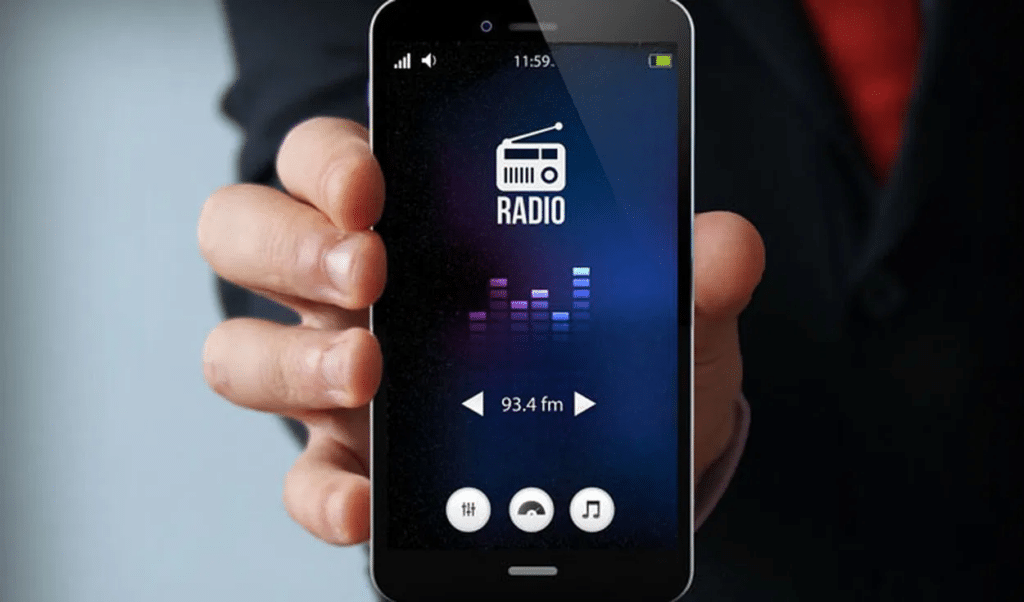
Listening to AM/FM radio on your smartphone has become easier than ever, combining the nostalgia of traditional broadcasting with modern mobile convenience and technology.


Despite living in the streaming era, AM/FM radio remains a beloved medium for millions worldwide. Whether you’re commuting, working out, or simply relaxing at home, having access to live radio broadcasts on your cell phone offers a unique blend of local content, breaking news, and real-time entertainment that on-demand platforms can’t always replicate.
Anúncios
The good news is that accessing radio stations through your smartphone is incredibly straightforward, whether your device has built-in FM capabilities or you prefer streaming through dedicated apps. Let’s explore everything you need to know about tuning into AM/FM radio on your mobile device.
📻 Understanding FM Radio Chips in Smartphones
Many people don’t realize that their smartphones actually contain a built-in FM radio chip. This hardware component is included in most devices manufactured globally, though its activation depends entirely on manufacturers and carriers.
Anúncios
The FM chip allows your phone to receive traditional radio signals directly, without consuming mobile data or requiring an internet connection. This feature is particularly valuable during emergencies when cellular networks become congested or unavailable.
However, there’s a catch: while the chip may be present, it’s often disabled by default. Manufacturers and wireless carriers in certain regions, particularly the United States, have historically kept this functionality locked to encourage streaming service subscriptions and data usage.
Why Manufacturers Disable FM Chips
The decision to disable FM functionality is primarily business-driven. Streaming services generate revenue through subscriptions and advertising, while data consumption benefits mobile carriers. Additionally, some manufacturers argue that enabling FM radio requires additional testing, support, and integration with headphone jacks that are increasingly being removed from modern devices.
Fortunately, this trend has started reversing in recent years. Following advocacy from safety organizations and the Federal Emergency Management Agency (FEMA), several major smartphone brands have begun activating FM chips in their devices, recognizing their value for public safety and consumer choice.
🎧 How to Access Built-In FM Radio on Your Phone
If your smartphone has an enabled FM chip, accessing it is surprisingly simple. You’ll need a few basic things to get started with traditional FM broadcasting.
First, you’ll need wired headphones or earbuds. This requirement isn’t arbitrary—the headphone cable actually serves as the FM antenna, picking up radio signals from the airwaves. Without this physical antenna, the FM chip cannot receive broadcasts effectively.
Next, check if your device includes a pre-installed FM radio app. On many Android devices, this app might be called “FM Radio,” “Radio,” or something similar. Samsung devices often include their own radio app, while LG phones have featured comprehensive radio applications.
Step-by-Step Activation Guide
To activate your phone’s FM radio functionality, follow these straightforward steps:
- Connect your wired headphones or earbuds to your device
- Open your phone’s app drawer and search for the FM radio app
- Grant any necessary permissions when prompted
- Allow the app to scan for available stations in your area
- Select your preferred station and adjust the volume accordingly
- Save your favorite stations for quick access later
The audio will typically play through your headphones, though many radio apps include an option to route sound through your phone’s external speakers once the headphones have established the antenna connection.

📱 Streaming AM/FM Radio Through Apps
What if your phone doesn’t have an activated FM chip, or you want to listen to stations from different cities or countries? Radio streaming apps provide the perfect solution, transforming your smartphone into a global radio receiver.
These applications use your internet connection—either WiFi or mobile data—to stream radio broadcasts from stations worldwide. Unlike traditional FM reception, streaming apps don’t require headphones as antennas and offer much broader station selection.
The streaming approach has become increasingly popular because it eliminates geographical limitations. You can listen to your hometown station while traveling abroad, discover international music, or explore talk radio from different cultures and perspectives.
Popular Radio Streaming Applications
Several excellent apps dominate the radio streaming landscape, each with unique features and station selections. Simple Radio stands out as one of the most comprehensive options, offering access to over 50,000 AM, FM, and online radio stations from around the world.
TuneIn Radio is another powerhouse application, providing not only traditional radio stations but also podcasts, sports broadcasts, and news channels. Its intuitive interface makes discovering new content effortless, while personalized recommendations help users find stations matching their interests.
iHeartRadio focuses primarily on American radio stations, offering live broadcasts from over 850 stations across the United States. The app also features custom radio stations based on your favorite artists, similar to services like Pandora or Spotify.
Radio.com (now Audacy) provides access to numerous AM/FM stations, particularly strong in major metropolitan areas. The platform emphasizes local content, including news, sports, and community-focused programming that streaming services often overlook.
🌐 Advantages of Streaming vs. Traditional FM
Both streaming and traditional FM radio have distinct advantages worth considering when choosing your preferred listening method. Understanding these differences helps you make informed decisions based on your specific needs and circumstances.
Traditional FM radio using your phone’s built-in chip consumes zero mobile data, making it perfect for users with limited data plans or those in areas with expensive data rates. The battery consumption is also typically lower than streaming, as the FM chip requires minimal power compared to maintaining an active internet connection.
During natural disasters or emergencies, FM radio becomes invaluable. When cell towers fail or become overloaded, your phone’s FM chip can still receive broadcasts from local stations providing critical safety information, weather updates, and emergency instructions.
When Streaming Makes More Sense
Streaming radio shines in its flexibility and variety. You’re not limited to stations within your geographical reception area—the entire world of radio broadcasting becomes accessible from your smartphone. This global reach is perfect for expatriates, language learners, or anyone curious about international perspectives.
Sound quality generally favors streaming as well. Digital streams can deliver clearer audio without the static, interference, or signal fading that sometimes affects traditional FM broadcasts, particularly in buildings or areas with poor reception.
Many streaming apps also offer additional features like pause and rewind functionality, song identification, playlist creation, and social sharing options that traditional FM radio simply cannot provide. These enhanced capabilities transform passive listening into an interactive experience.
💾 Data Consumption Considerations
One frequent concern about streaming radio involves mobile data usage. Understanding how much data radio streaming actually consumes helps you manage your plan effectively and avoid unexpected charges.
Most radio streams operate at bitrates between 64 kbps and 128 kbps for standard quality audio. At 128 kbps, you’ll consume approximately 1 MB of data per minute, or roughly 60 MB per hour of listening. High-quality streams at 256 kbps or higher will double this consumption.
For perspective, streaming radio for one hour daily throughout a month uses approximately 1.8 GB of data at standard quality. This is considerably less than video streaming but still meaningful for users with limited data allowances.
Minimizing Data Usage While Streaming
Several strategies can help reduce data consumption when streaming radio on your mobile device:
- Connect to WiFi networks whenever available, particularly at home or work
- Select lower bitrate streams in your app settings to reduce quality slightly while saving data
- Download favorite shows or podcasts while on WiFi for offline listening later
- Monitor your data usage through your phone’s settings to track consumption patterns
- Consider switching to traditional FM radio for extended listening sessions
Many radio apps now include data-saving modes specifically designed to reduce consumption without significantly compromising audio quality. These features use adaptive bitrate streaming, automatically adjusting quality based on your connection strength and speed.
🔍 Finding Your Favorite Stations
Discovering radio stations that match your interests and preferences is half the fun of mobile radio listening. Most apps provide multiple search and discovery methods to help you find perfect stations quickly.
Location-based browsing allows you to explore stations in specific cities or regions, perfect when you’re traveling or curious about local programming in different areas. This feature helps you discover regional music styles, local news coverage, and community-focused content unavailable through national platforms.
Genre and format filters let you narrow selections by content type—music genres like rock, country, jazz, or electronic, or talk formats including news, sports, comedy, and educational programming. These categorical searches streamline the discovery process when you know exactly what you want to hear.
Advanced Discovery Features
Many sophisticated radio apps incorporate recommendation algorithms similar to music streaming services. By analyzing your listening history, favorite stations, and skip patterns, these algorithms suggest new stations likely to match your tastes.
Social features enable users to see what friends or other listeners in their area are enjoying, creating community-driven discovery opportunities. Some apps display trending stations, popular shows, or currently playing songs to help users find engaging content in real-time.
Custom alerts can notify you when specific shows begin broadcasting, particular songs play on your favorite stations, or when stations you follow start special programming. These notifications ensure you never miss content that matters to you.
🚗 Radio Apps for Driving and Commuting
Listening to radio while driving remains one of the most common use cases for mobile radio apps. Modern applications include features specifically designed to enhance the in-car experience safely.
Car mode interfaces simplify controls with larger buttons and reduced visual clutter, minimizing distraction while driving. Voice commands allow hands-free station switching, volume adjustment, and search functionality, keeping your attention on the road where it belongs.
Android Auto and Apple CarPlay integration brings radio apps directly to your vehicle’s infotainment screen, providing familiar controls through your car’s existing interface. This seamless integration makes streaming radio as convenient as using your car’s traditional radio.
Ensuring Safety While Listening
Despite technological conveniences, safety should always remain your priority when using radio apps while driving. Set up your preferred stations, playlists, and settings before starting your journey rather than fumbling with your phone in traffic.
Consider using Bluetooth connections to route audio through your car’s speaker system, eliminating the need for headphones that can block important ambient sounds like emergency vehicle sirens or car horns. Many modern vehicles support automatic app launching when your phone connects to the car’s Bluetooth system.
🎵 Exploring International Radio Content
One of streaming radio’s most exciting advantages is effortless access to international broadcasts. This global reach opens doors to cultural exploration, language practice, and musical discovery impossible through traditional local radio.
Language learners particularly benefit from international radio access. Listening to native speakers through news broadcasts, talk shows, and music programming provides authentic immersion experiences that textbooks and apps struggle to replicate. The real-world pace and colloquial expressions help develop genuine comprehension skills.
Music enthusiasts can explore genres and regional styles unavailable in their home countries. From Brazilian samba to Korean K-pop, Norwegian metal to Senegalese mbalax, international radio stations showcase the incredible diversity of global music culture.
📡 Offline Listening and Download Options
While live radio typically requires active internet connectivity, many apps now offer offline features that preserve the radio experience without constant streaming.
Podcast and show downloads allow you to save specific programs for later listening without data consumption. Many radio stations produce podcast versions of their popular shows, available for download through both dedicated radio apps and general podcast platforms.
Some premium radio apps offer recording functionality, letting you capture live broadcasts for playback later. This feature proves invaluable when you can’t listen in real-time but don’t want to miss favorite programs or important broadcasts.
🔒 Privacy and Security Considerations
Like all apps that access the internet, radio streaming applications involve privacy considerations worth understanding before downloading and using them regularly.
Most radio apps collect listening data to improve recommendations and provide analytics to broadcasters. This information typically includes which stations you listen to, for how long, and at what times. While generally harmless, privacy-conscious users should review app permissions and privacy policies carefully.
Location permissions are commonly requested by radio apps to suggest local stations and provide relevant content. Consider whether this convenience justifies sharing your location data, and remember that you can often manually search for stations without granting location access.
⚡ Battery Life Management
Extended radio listening can drain your smartphone battery quickly, particularly when streaming over cellular data. Several strategies help maximize battery life during radio sessions.
Reducing screen brightness or using sleep timers that turn off playback after a specified duration conserve significant power. Many radio apps include built-in sleep timers perfect for bedtime listening without wasting battery overnight.
Traditional FM radio using your phone’s built-in chip typically consumes less battery than streaming, making it preferable for marathon listening sessions when you’re away from charging options. The difference becomes especially noticeable during outdoor activities or travel.
🎤 The Future of Mobile Radio
As technology continues evolving, mobile radio experiences are becoming increasingly sophisticated and personalized. Artificial intelligence and machine learning algorithms now curate highly personalized station recommendations, while 5G connectivity enables higher quality streams with minimal buffering.
Integration with smart home devices and wearables expands radio’s reach beyond smartphones. You can start listening on your phone during your commute, seamlessly transfer to smart speakers when arriving home, and resume on smartwatches during workouts—all without interrupting your broadcast.
HD Radio technology brings clearer audio quality to traditional FM broadcasts, while some apps now support spatial audio and immersive sound experiences that transform how we perceive radio content. These advancements ensure radio remains relevant and competitive in the crowded audio entertainment landscape.
Whether you choose traditional FM radio through your phone’s built-in chip or explore the boundless world of streaming radio apps, your smartphone unlocks incredible listening possibilities. From local news and emergency information to international music discovery and cultural exploration, mobile radio combines the best of traditional broadcasting with modern technological convenience. The accessibility, variety, and flexibility of listening to AM/FM radio on your cell phone ensure this classic medium continues thriving in our digital age. 📻✨
