
Anúncios
In a world where screens dominate our daily lives, monitoring eye health has become more crucial than ever. Vision testing apps offer a convenient, accessible way to check your eyesight from the comfort of your home.


The digital age has revolutionized healthcare accessibility, and vision testing is no exception. Mobile applications designed to assess visual acuity have emerged as practical tools for preliminary eye examinations, helping millions detect potential vision problems before they escalate into serious conditions.
Anúncios
While these apps cannot replace comprehensive professional eye examinations, they serve as valuable screening tools that alert users to changes in their vision. Understanding how these applications work, their benefits, limitations, and which ones offer the most reliable results can empower you to take proactive steps toward maintaining optimal eye health. 👁️
Understanding How Vision Testing Apps Work
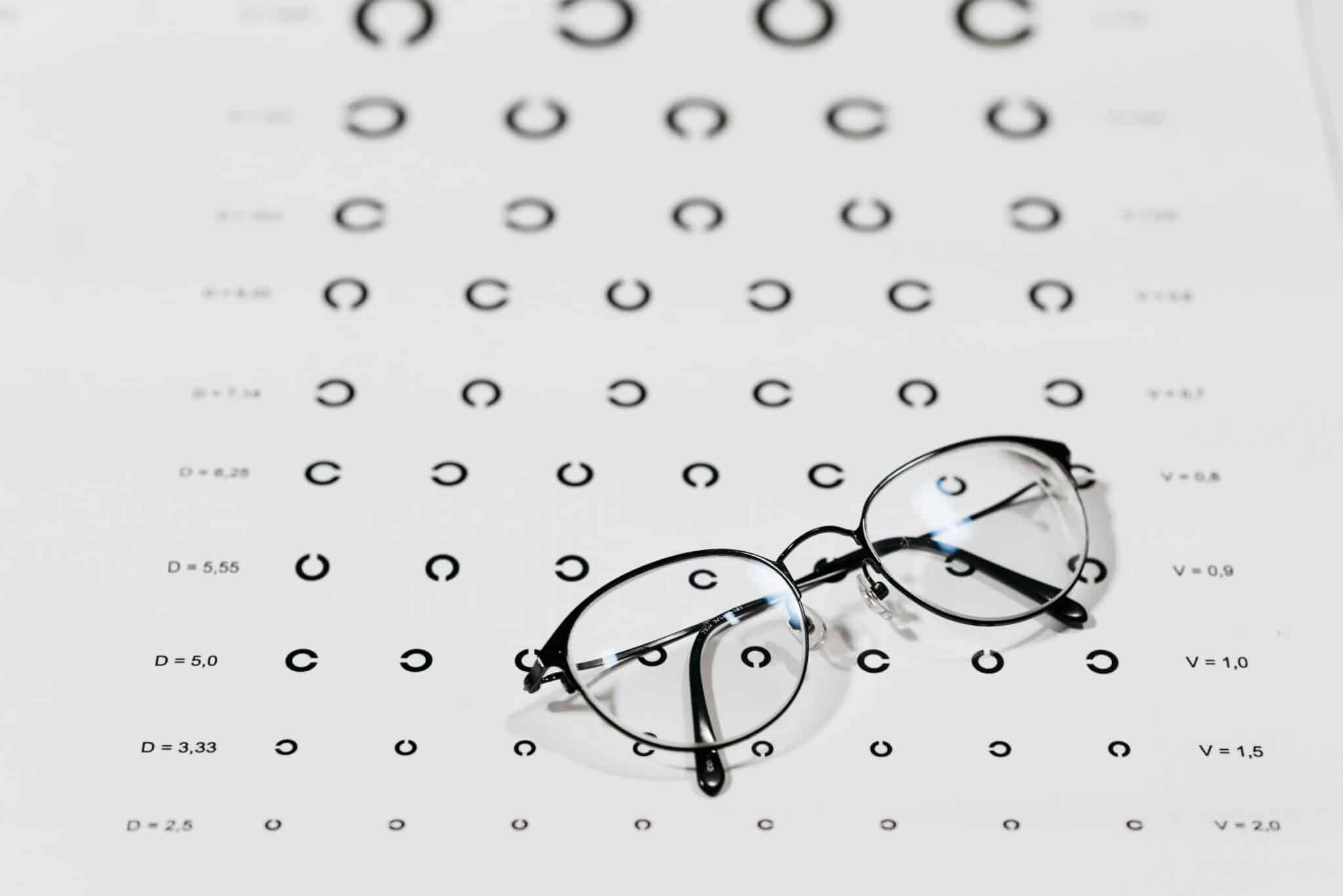
Vision testing applications utilize your smartphone or tablet screen to replicate traditional eye chart examinations. These digital tools present letters, symbols, or patterns at varying sizes and contrasts, measuring your ability to distinguish details at specific distances.
Anúncios
The core technology behind these apps involves calibrating screen dimensions and resolution to display optotypes—the standardized letters or symbols used in vision tests—at precise angular sizes. When you position your device at the recommended distance, typically between 10 to 20 feet for distance vision tests, the app simulates the conditions of a professional eye examination.
Most sophisticated vision testing apps incorporate multiple assessment methods. They may include Snellen charts for distance vision, near vision tests for reading ability, astigmatism checks using radiating line patterns, and color blindness screenings with Ishihara-style plates. Some advanced applications even offer contrast sensitivity tests and visual field assessments.
The Science Behind Digital Eye Charts
Traditional eye charts have served optometrists for over 150 years, with the Snellen chart being the gold standard since 1862. Digital versions maintain the same principles but adapt them to modern technology. The key lies in angular size—each letter on a standard eye chart subtends a specific angle of your visual field.
For a letter to qualify as 20/20 vision standard, the entire letter must subtend 5 minutes of arc, while each stroke of the letter subtends 1 minute of arc. Vision testing apps calculate these angles based on your screen size, resolution, and viewing distance to present accurately sized optotypes.
Key Features to Look for in Vision Testing Apps
Not all vision testing applications offer the same quality or accuracy. When selecting an app to monitor your eyesight, certain features distinguish professional-grade tools from basic novelties. 📱
Calibration capabilities represent the most critical feature. Premium apps include calibration procedures where you measure your screen size or place a credit card against the display for automatic sizing. This ensures the test characters appear at correct dimensions regardless of device specifications.
Distance measurement tools help maintain proper testing conditions. Some apps use augmented reality or multi-device pairing to verify you’re standing at the appropriate distance. Others provide audio cues or visual guides to position yourself correctly before beginning the assessment.
Comprehensive testing protocols separate basic apps from thorough screening tools. Look for applications offering multiple test types including distance acuity, near vision, astigmatism detection, contrast sensitivity, and color vision assessments. This multi-faceted approach provides a more complete picture of your visual health.
Professional Validation and Medical Approval
The most reliable vision testing apps have undergone clinical validation studies and received regulatory approval from health authorities. FDA-cleared applications in the United States or CE-marked apps in Europe have met stringent accuracy and safety standards.
Research-backed applications often publish validation studies in peer-reviewed medical journals, demonstrating their test results correlate strongly with traditional in-office examinations. These studies typically show correlation coefficients above 0.85 when compared to standard clinical assessments.
Popular Vision Testing Applications Worth Trying
The digital health marketplace offers numerous vision testing apps, each with unique strengths and specialized features. Understanding the leading options helps you select the most appropriate tool for your needs.
Eye Chart Pro stands among the most downloaded vision testing applications, offering comprehensive Snellen and Tumbling E charts. Its intuitive interface guides users through proper setup, including distance calibration and lighting recommendations. The app stores test history, allowing you to track changes over time and share results with your eye care professional.
EyeQue Personal Vision Tracker combines a smartphone app with a proprietary optical attachment, creating a more sophisticated testing system. This hybrid approach measures refractive error with greater precision than screen-only applications, providing actual prescription estimates rather than just acuity measurements.
Peek Acuity represents a groundbreaking project developed by ophthalmologists specifically for underserved populations. Originally designed for use in developing countries with limited access to eye care, this clinically validated app has proven remarkably accurate in detecting vision problems across diverse populations and conditions.

Specialized Apps for Specific Conditions
Beyond general vision screening, specialized applications target specific eye conditions. Amsler Grid apps help detect macular degeneration by identifying distortions in central vision. Users view a grid pattern and report any wavy lines, missing sections, or blurred areas—early warning signs of retinal problems.
Color blindness testing apps utilize digital versions of Ishihara plates and other chromatic assessment tools. These prove particularly useful for parents suspecting color vision deficiencies in children or adults curious about subtle color perception variations.
Astigmatism screening apps display radial line patterns or clock dials. If certain lines appear darker or sharper than others, irregular corneal curvature may be affecting your vision. Early detection allows timely correction through glasses, contacts, or refractive surgery.
Optimizing Your Testing Environment for Accurate Results
The accuracy of vision testing apps depends significantly on testing conditions. Professional eye examinations occur in carefully controlled environments, and replicating key elements at home improves result reliability. 🏠
Lighting plays a crucial role in vision assessment. Conduct tests in well-lit rooms with uniform lighting—avoid harsh direct light or shadows on the screen. Indoor daylight or consistent artificial lighting works best. Screen brightness should be set to maximum, as dimmed displays artificially increase difficulty.
Distance accuracy determines test validity. Most distance vision tests require positioning yourself 10 to 20 feet from the device. Use a tape measure to verify exact distance, or have an assistant hold the device while you move to the proper position. Some users mount tablets on walls or use stands for stability.
Cover one eye completely during testing without applying pressure to the eyelid, which can temporarily distort vision. Use your palm or an opaque card rather than squinting the non-tested eye closed. Test each eye independently before attempting binocular assessment.
Common Testing Mistakes to Avoid
Several common errors compromise test accuracy. Squinting artificially improves visual acuity by creating a pinhole effect that temporarily sharpens focus. While this demonstrates your potential vision with correction, it doesn’t reflect your actual uncorrected acuity.
Memorizing the chart from previous tests invalidates results. Many apps randomize letter sequences to prevent this, but spacing out tests by at least several days ensures you’re genuinely reading characters rather than recalling patterns.
Testing when fatigued, after extended screen time, or with dry eyes produces artificially poor results. Conduct assessments when well-rested, with refreshed eyes, preferably in the morning after adequate sleep.
Interpreting Your Vision Test Results
Understanding the numbers and classifications from vision tests empowers informed decisions about eye care. The familiar “20/20” notation represents visual acuity—your ability to see detail compared to a person with normal vision.
The first number represents your testing distance (typically 20 feet), while the second indicates the distance at which a person with normal vision could read the same line. If you have 20/40 vision, you must stand 20 feet away to read what someone with normal vision reads at 40 feet—meaning your vision is half as sharp.
Better than 20/20 vision is possible. Some people achieve 20/15 or even 20/10 acuity, seeing at 20 feet what average individuals must approach to 15 or 10 feet to discern. This superior acuity often results from genetics, excellent eye health, or corrective procedures like LASIK.
When Test Results Warrant Professional Evaluation
Certain results demand immediate professional attention. Vision worse than 20/40 in either eye typically indicates a need for correction or medical evaluation. Sudden changes in acuity—even by one line on the chart—suggest developing conditions requiring investigation.
Asymmetric results where one eye tests significantly worse than the other deserve professional assessment. Amblyopia (lazy eye), cataracts, or retinal issues often affect one eye more severely, and early intervention improves treatment outcomes.
Failed specialized tests require expert follow-up. Distortions on Amsler grids may indicate macular degeneration. Difficulty with specific astigmatism patterns suggests corneal irregularities. Color blindness test failures warrant comprehensive evaluation to distinguish congenital from acquired color vision defects.
Limitations and Considerations of Mobile Vision Testing
While vision testing apps offer remarkable convenience and accessibility, understanding their limitations ensures appropriate use. These tools excel at screening and monitoring but cannot replace comprehensive professional examinations. ⚕️
Apps cannot measure eye health beyond visual acuity. They don’t assess eye pressure for glaucoma, examine the retina for diabetes complications, check for cataracts, or detect numerous other conditions visible only through professional equipment like slit lamps, ophthalmoscopes, and tonometers.
Prescription determination requires more sophisticated assessment than acuity alone. While some advanced apps estimate refractive error, comprehensive refraction involves precise measurements of sphere, cylinder, axis, and potentially prism corrections that screening apps cannot fully capture.
Variable device quality affects results. Screen resolution, color accuracy, and size variations between smartphones and tablets influence test reliability. A test conducted on a high-resolution tablet may yield different results than the same app on a budget smartphone.
The Irreplaceable Value of Professional Eye Care
Optometrists and ophthalmologists provide services that no app can replicate. Comprehensive eye examinations include pupil dilation to view interior structures, biomicroscopy to assess tissue health, and specialized tests for specific conditions based on your medical history and risk factors.
Professional relationships enable continuity of care. Your eye doctor maintains detailed records, tracks changes over years, correlates eye health with systemic conditions like diabetes or hypertension, and coordinates care with other healthcare providers when needed.
Many serious eye conditions present no symptoms in early stages. Glaucoma, often called the “silent thief of sight,” typically causes no pain or vision changes until irreversible damage has occurred. Regular professional examinations detect these conditions before symptoms emerge.
Maximizing the Benefits of Vision Testing Apps
When used appropriately, vision testing applications serve as valuable complements to professional care. Establishing regular self-testing intervals helps detect changes between scheduled eye examinations, providing early warning of developing issues.
Monthly self-assessments create baseline data for comparison. Log results in the app or maintain a separate record noting date, lighting conditions, and any relevant factors like fatigue or recent screen use. Gradual trends reveal more than single test results.
Share app results with your eye care professional during appointments. Many practitioners appreciate patient engagement and find home monitoring data useful for tracking progression, especially for conditions like myopia in children or early cataract development.
Empowering Children’s Eye Health Monitoring
Vision testing apps offer particular value for children, who may not articulate vision problems clearly. Regular home screening helps parents identify issues between pediatric eye exams, ensuring timely intervention during critical developmental windows.
Make testing fun and engaging for children. Many apps include game-like elements or colorful interfaces that maintain attention. Keep sessions brief to prevent fatigue, and avoid pressuring accurate responses, which may cause anxiety or invalid results.
Watch for behavioral signs that complement test results. Squinting, sitting close to screens, holding books unusually close, or avoiding distance activities may indicate vision problems even when home tests seem acceptable.
Future Innovations in Mobile Vision Assessment
The field of mobile vision testing continues evolving rapidly, with emerging technologies promising enhanced accuracy and expanded capabilities. Understanding upcoming innovations highlights the growing role of digital health in preventive eye care. 🚀
Artificial intelligence integration represents the next frontier. Machine learning algorithms analyze subtle patterns in test responses, potentially detecting conditions beyond simple acuity measurements. AI may identify cognitive factors affecting visual processing or predict future vision changes based on testing patterns.
Augmented reality capabilities enable more sophisticated testing protocols. AR-equipped smartphones can project images at virtual distances, eliminating the need for large testing spaces. This technology may eventually simulate outdoor viewing conditions or assess vision across varying light levels within a single session.
Wearable integration connects vision testing with broader health monitoring. Smart glasses or extended reality headsets could enable continuous passive vision monitoring, alerting users to gradual changes that occur too slowly to notice consciously but indicate developing conditions.
Telemedicine and Remote Eye Care
The COVID-19 pandemic accelerated telemedicine adoption, including remote eye care services. Vision testing apps now integrate with telehealth platforms, allowing professionals to guide patients through examinations in real-time via video consultation.
This hybrid model expands access for rural populations, mobility-impaired individuals, and others facing barriers to in-person care. While not replacing traditional exams entirely, remote consultations supplemented by app-based testing provide meaningful care when in-person visits prove challenging.
Regulatory frameworks continue evolving to accommodate these innovations while ensuring patient safety and care quality. As validation studies demonstrate reliability, more health systems and insurance providers recognize app-based screening as legitimate components of comprehensive eye care.
Taking Action for Your Eye Health Today
Vision testing apps represent powerful tools in the preventive health arsenal. By making regular screening convenient and accessible, they help overcome barriers that prevent many people from monitoring their eye health between professional examinations.
Download a reputable vision testing app today and establish a baseline assessment. Note your results, testing conditions, and any observations about your visual experience. Schedule this as a monthly health routine alongside other preventive measures like exercise and nutrition monitoring.
Remember that these tools complement rather than replace professional care. Use app results to inform conversations with your eye care provider, guide decisions about scheduling examinations, and develop awareness of your visual health patterns over time.
Your eyes provide your primary connection to the world around you. Protecting them through regular monitoring, professional care, and healthy habits ensures this precious sense serves you well throughout life. Vision testing apps make this commitment easier, more affordable, and more convenient than ever before. ✨
Take that first step today—your future self will thank you for the clear, healthy vision that enables you to experience life’s beautiful moments with full clarity and vibrant color.
