
Anúncios
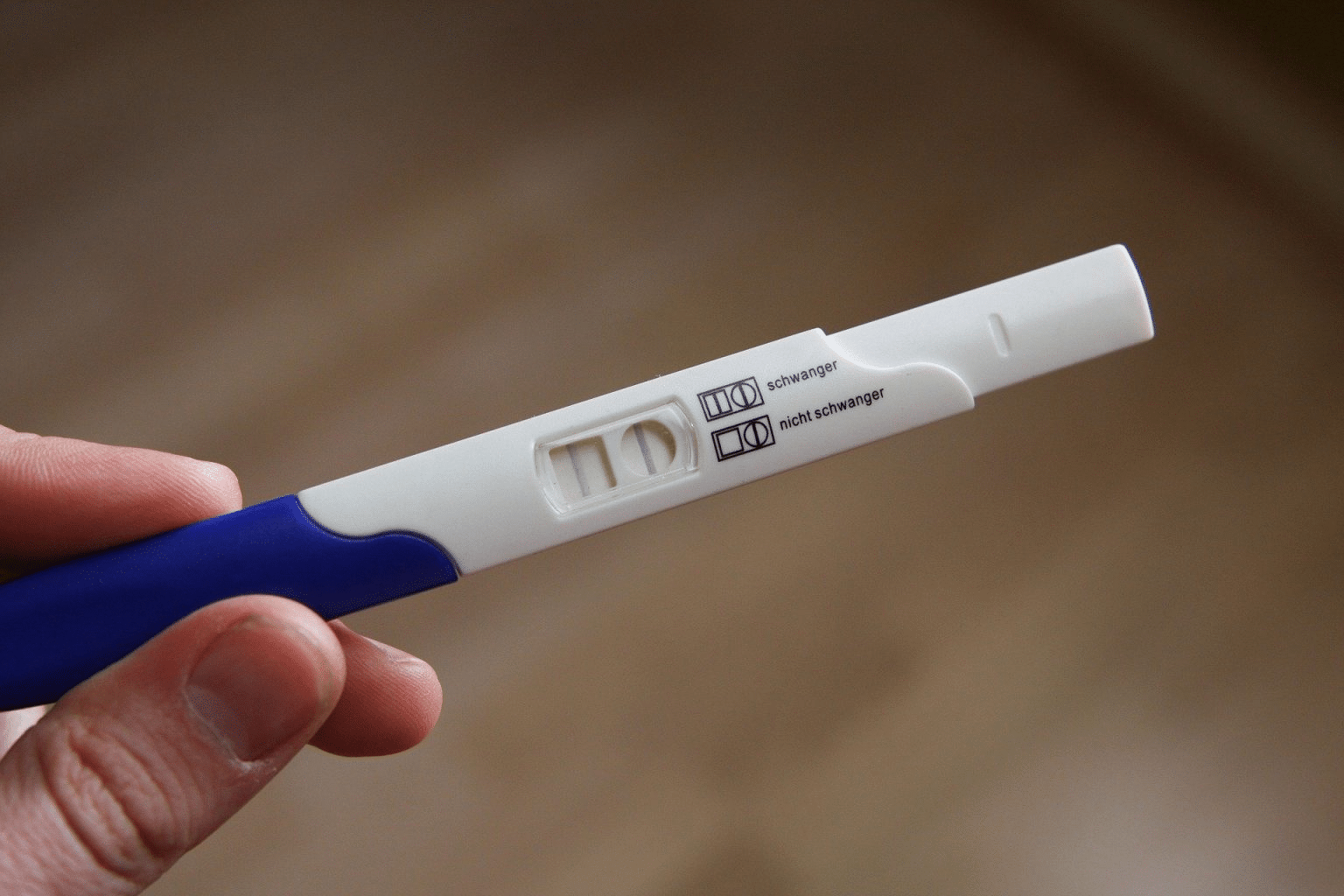
Pregnancy test apps have become a popular digital tool for women trying to conceive or suspecting they might be pregnant.
The rise of mobile health technology has transformed how women track their reproductive health. These digital companions offer features ranging from symptom tracking to educational resources, creating a comprehensive support system right on your smartphone.
Anúncios
While these apps cannot replace medical-grade pregnancy tests, they serve as valuable tools for monitoring early signs, understanding your cycle, and preparing for the possibility of pregnancy. Let’s explore everything you need to know about pregnancy test applications and how they can support your journey.
📱 Understanding How Pregnancy Test Apps Actually Work
Pregnancy test apps function as sophisticated tracking and educational platforms rather than actual diagnostic tools. They use algorithms based on your menstrual cycle data, symptoms, and physical indicators to provide insights about the likelihood of pregnancy.
Anúncios
Most applications request information about your last menstrual period, cycle regularity, and any pregnancy symptoms you might be experiencing. The app then processes this data against established medical knowledge about conception timing and early pregnancy indicators.
Some advanced versions incorporate artificial intelligence to analyze patterns in your health data over time. This can include basal body temperature fluctuations, cervical mucus changes, and other fertility signs that might suggest conception has occurred.
The technology behind these apps continues to evolve, with developers partnering with medical professionals to ensure accuracy and reliability in the information provided.
🔍 Key Features Found in Pregnancy Test Applications
Modern pregnancy test apps come packed with features designed to support women throughout their reproductive journey. Understanding these capabilities helps you choose the right application for your needs.
Symptom Tracking and Analysis
The cornerstone feature of any pregnancy test app is symptom monitoring. Users can log various indicators such as nausea, breast tenderness, fatigue, mood changes, and food aversions. The app creates a comprehensive picture of your physical state over time.
This tracking helps you identify patterns that might suggest pregnancy. The application compares your symptoms against common early pregnancy signs and provides probability assessments based on the data you’ve entered.
Cycle Prediction and Ovulation Tracking
Many pregnancy test apps include robust period tracking functionality. By monitoring your menstrual cycle, these applications can predict your most fertile days and when you might expect your next period.
This dual functionality makes them valuable whether you’re trying to conceive or simply want to understand your body better. The apps use historical data to improve prediction accuracy over time.
Educational Resources and Information
Quality pregnancy test apps provide extensive educational content about conception, early pregnancy, and reproductive health. This might include articles written by medical professionals, videos explaining pregnancy symptoms, and guides on when to take a physical pregnancy test.
These resources empower users with knowledge, helping them make informed decisions about their health and understand what their body might be experiencing.
Community Support Features
Some applications incorporate social elements, allowing users to connect with others on similar journeys. These communities offer emotional support, shared experiences, and practical advice from people who understand what you’re going through.

✨ Benefits of Using a Pregnancy Test App
Incorporating a pregnancy test application into your health routine offers multiple advantages that extend beyond simple pregnancy detection.
Early awareness: By tracking symptoms daily, you might notice pregnancy signs earlier than you would otherwise. This early recognition can prompt you to take a physical test at the optimal time for accurate results.
Better understanding of your body: Regular tracking helps you learn your body’s unique patterns and signals. This knowledge proves valuable whether you’re trying to conceive, avoid pregnancy, or simply maintain reproductive health awareness.
Reduced anxiety: Having a tool that helps you understand what’s happening with your body can significantly reduce the stress and uncertainty that often accompanies potential pregnancy. The educational components help you distinguish between common symptoms and genuine concerns.
Cost-effective monitoring: While you’ll still need a physical pregnancy test for confirmation, apps help you time that test correctly, potentially saving money on multiple tests taken too early.
Comprehensive health record: These apps create a detailed health history that can be valuable when discussing your reproductive health with healthcare providers. The data you’ve collected provides doctors with helpful context.
⚠️ Important Limitations to Remember
While pregnancy test apps offer valuable support, it’s crucial to understand their limitations and use them appropriately.
No smartphone application can definitively confirm pregnancy. They lack the capability to detect pregnancy hormones (hCG) in your body, which is what physical pregnancy tests and medical examinations identify.
The accuracy of any app depends entirely on the quality and consistency of the data you provide. Irregular data entry or inaccurate information will lead to unreliable predictions and assessments.
Individual variation means that pregnancy symptoms differ significantly between women. What the app considers typical might not apply to your unique situation. Some women experience few early symptoms, while others notice multiple signs immediately.
Apps should complement, not replace, professional medical advice. If you suspect you’re pregnant or have concerns about your reproductive health, consulting with a healthcare provider is essential.
🎯 Choosing the Right Pregnancy Test App
With numerous options available on both Android and iOS platforms, selecting the best app for your needs requires consideration of several factors.
User Interface and Experience
The app should be intuitive and easy to navigate. You’ll be using it regularly, so a clean, user-friendly design makes the tracking process less burdensome and more likely to become a consistent habit.
Privacy and Data Security
Reproductive health information is highly personal. Choose applications from reputable developers with clear privacy policies. Check whether your data is encrypted, who has access to it, and whether it’s shared with third parties.
Medical Credibility
Look for apps developed in consultation with medical professionals or backed by healthcare organizations. This ensures the information provided is accurate and based on current medical understanding.
Feature Set Alignment
Consider what features matter most to you. If you’re trying to conceive, ovulation prediction might be crucial. If you’re simply monitoring potential pregnancy, symptom tracking takes priority.
Reviews and Ratings
User reviews provide valuable insights into an app’s reliability, accuracy, and customer support quality. Pay attention to recent reviews to ensure the app is actively maintained and updated.
💡 Maximizing Effectiveness: Best Practices
To get the most value from a pregnancy test app, follow these proven strategies:
- Daily consistency: Enter your data at the same time each day for more accurate pattern recognition and predictions.
- Honest tracking: Record all symptoms accurately, even if they seem unrelated or insignificant. The app’s algorithms work best with complete information.
- Temperature precision: If tracking basal body temperature, use a dedicated thermometer and measure at the same time each morning before getting out of bed.
- Detailed notes: Use note fields to record additional context about your symptoms, activities, or anything else that might be relevant.
- Regular updates: Keep your app updated to benefit from improvements in algorithms, new features, and bug fixes.
- Backup your data: Ensure your health information is backed up, either through cloud services or export features, so you don’t lose valuable tracking history.
🏥 When to Take an Actual Pregnancy Test
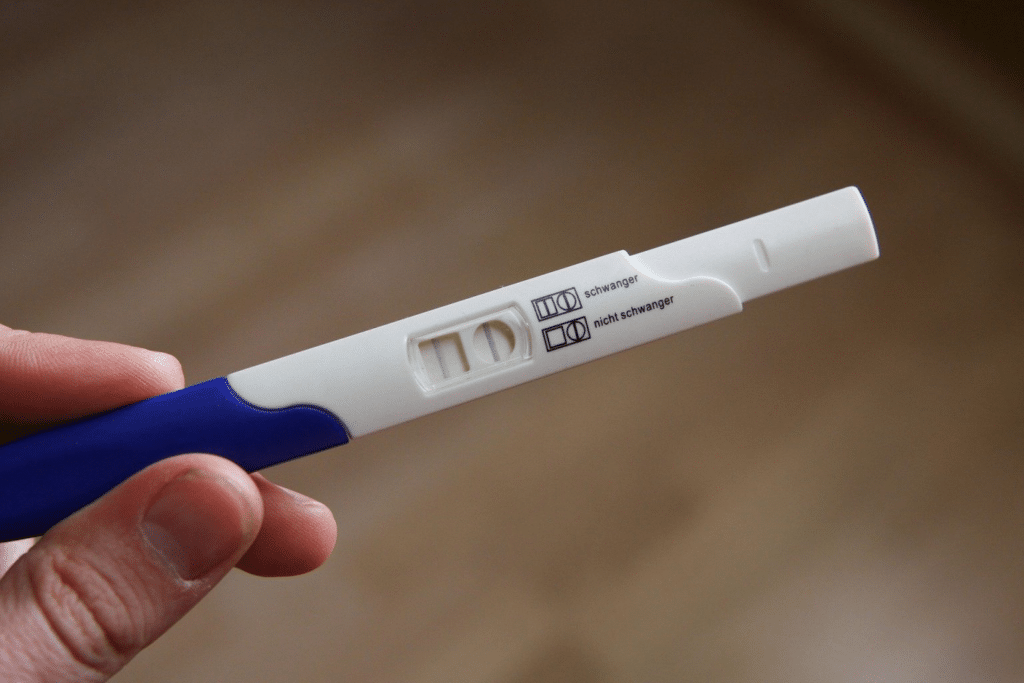
Even the most sophisticated app cannot replace a physical pregnancy test. Understanding when to take that crucial step is essential.
Most home pregnancy tests become accurate around the time of your missed period. Taking a test too early often results in false negatives because hCG levels aren’t yet detectable.
If your app indicates a high probability of pregnancy based on your symptoms and cycle data, wait until at least the first day of your expected period for the most reliable results.
Early detection tests claim to work several days before your missed period, but accuracy increases significantly if you wait. Morning urine typically contains the highest hormone concentration, making it the ideal time for testing.
If you receive a negative result but still haven’t gotten your period and continue experiencing symptoms, wait a few days and test again. Sometimes hormone levels take longer to reach detectable thresholds.
🌟 Integrating Apps with Your Overall Health Strategy
Pregnancy test apps work best as part of a comprehensive approach to reproductive health rather than standalone solutions.
Combine app tracking with regular healthcare visits. Share your app data with your doctor during appointments to provide them with detailed information about your menstrual cycles and symptoms.
Maintain a healthy lifestyle that supports reproductive health. Proper nutrition, regular exercise, adequate sleep, and stress management all contribute to cycle regularity and overall wellbeing.
If you’re actively trying to conceive, consider apps that specifically focus on fertility tracking alongside pregnancy detection. These often provide more detailed ovulation predictions and conception timing guidance.
Remember that apps are tools for empowerment and information, not substitutes for medical expertise. They help you become more informed about your body and make better decisions about when to seek professional guidance.
🔮 The Future of Pregnancy Test Technology
The intersection of mobile technology and reproductive health continues to advance rapidly, promising even more sophisticated tools in the coming years.
Emerging technologies include integration with wearable devices that automatically track physiological indicators like heart rate variability, sleep patterns, and body temperature fluctuations—all potential pregnancy indicators.
Artificial intelligence improvements will likely make predictions increasingly accurate by analyzing vast datasets from millions of users while maintaining individual privacy.
Some researchers are exploring the possibility of smartphone attachments that could analyze biological samples, potentially bringing medical-grade testing capabilities directly to consumer devices.
Telemedicine integration is expanding, allowing users to easily share app data with healthcare providers and receive remote consultations based on their tracked information.
📊 Making Informed Decisions About Your Reproductive Health
Pregnancy test apps represent a powerful resource in modern reproductive health management. They provide convenient, accessible tools for understanding your body, tracking important symptoms, and making informed decisions.
The key to successful use lies in understanding both their capabilities and limitations. These applications excel at pattern recognition, education, and support, but they cannot replace medical testing or professional healthcare advice.
Whether you’re hoping for a positive pregnancy result, want to avoid conception, or simply desire better awareness of your reproductive health, these apps offer valuable support. They put comprehensive tracking and educational resources literally at your fingertips.
As technology continues advancing, we can expect even more sophisticated and helpful features. For now, choose a reputable app, use it consistently, and always confirm suspicions with appropriate medical testing.
Your reproductive health journey is personal and unique. Pregnancy test apps serve as digital companions along that path, offering information, support, and insights that help you navigate with greater confidence and understanding. Use them wisely as part of a broader commitment to your health and wellbeing.
